Night by Elie Wiesel
Eliezer Wiesel was a deeply observant 13-year-old Jewish boy when Moishe the Beadle came to his town with descriptions of the horrors of the war, where Jewish men, women, and children were buried in graves they had themselves dug. No one in Eliezer’s town of Sighet in Hungary believed this was happening. It only a year later, in 1944, when Hungary was overrun by the Germany army, that the Jews began to worry. As their rights begin to be taken away, the community gets restless. They are even excited when they hear they will be transported out of the city, because that means something will be different for them!
Night by Elie Wiesel (published in French 1958/English 1960, audio recorded by Jeffrey Rosenblatt) is Elie’s poignant and personal reflection on his experience: being forced into a cattle car, entering Auschwitz, working in Buchenwald labor camp, and watching friends and loved ones die even as he lost his own will to live. Although Wiesel’s gorgeous prose is well deserving of the Nobel Prize in Literature, it is his story of shattered faith in God, frustrated dreams as a teenager, and loss of belief in the humanity of his fellow men that really make Night a classic. Did people really do this to other people?
The horrors of the event known as the Holocaust as simply unbelievable. It is nearly impossible for me to comprehend the horrors that one people forced on another, and so reading accounts such as Wiesel’s are all the more important. A common theme in Night was, obviously, the darkening of hope and the darkness that enters Wiesel’s soul, never to leave him. When one experiences what he experiences, life will never be the same. Contrasting with the image of night that is so prevalent in his memoir is the image of fire: children burning, bellies suffering from hunger, and hatred growing in his soul. A young idealistic boy was left behind and what remained was a man without faith in the good of humanity and the love of God.
I listened to an audio recording of the book, and I think this made Elie Wiesel’s account all the more powerful. Wiesel’s story was less than four hours of narration (120 pages in hard copy) but nothing was missing.
His story is one I hope never to forget. I was in awe of the strength of the human spirit to survive at the same time I was horrified by the evil of others. Although other stories of German concentration camps may be more hopeful about humanity (The Hiding Place by Corrie ten Boom, for example), Night is an important and classic memoir that should be read.
Wiesel originally wrote this memoir in Yiddish, titling it And the World Remained Silent. In his new preface to the edition translated by his wife (2006), he says, ” I don’t know how I survived.” I don’t know either. I will forever be in awe of the power of the human spirit to overcome horrors, and I will remain horrified myself by the fact that humans could do this to each other in the first place.


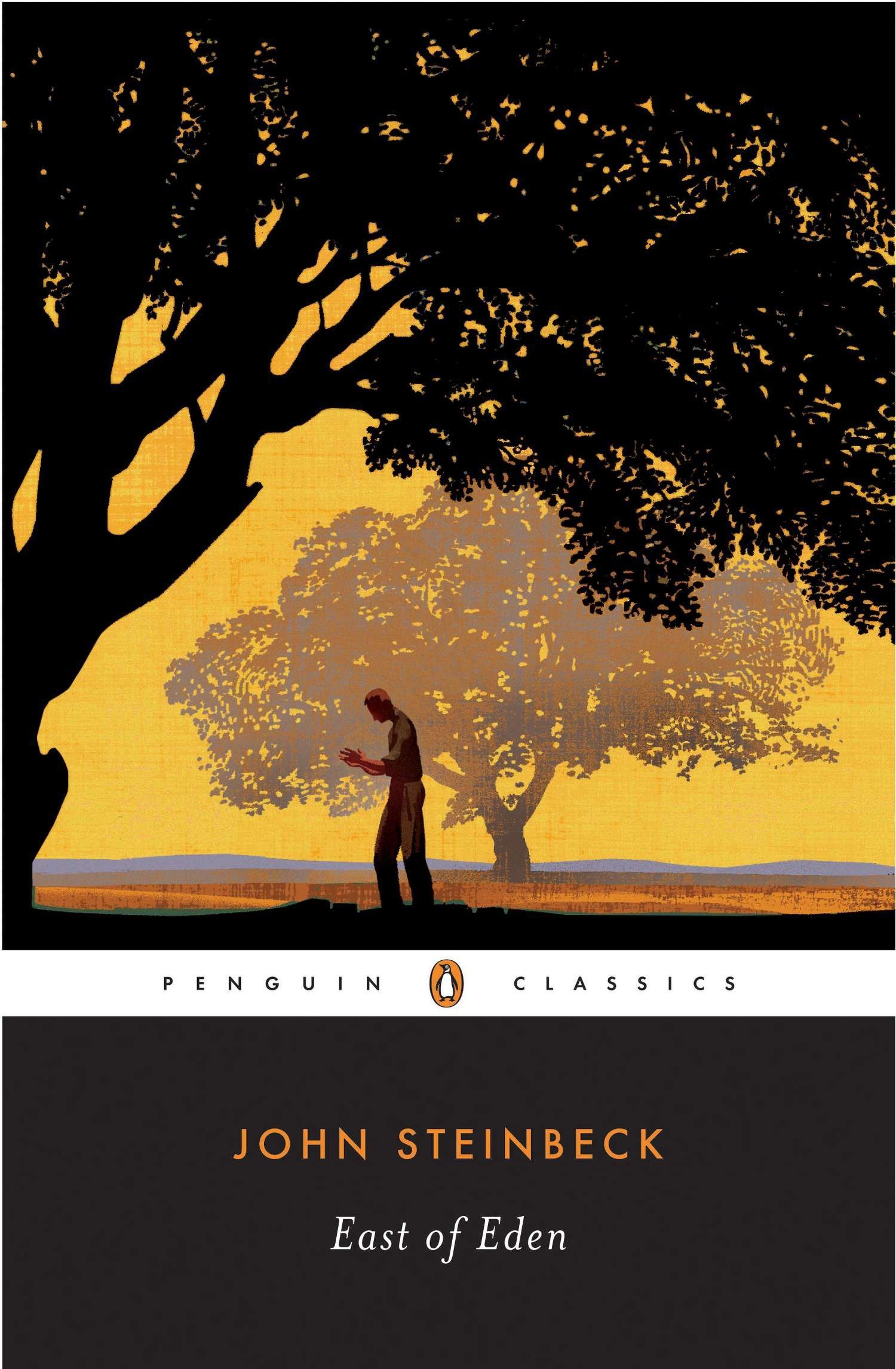
My interest in rereading East of Eden by John Steinbeck was purely personal: reading it the first time was what prompted me to start a book blog in the first place. I enjoyed my reread, mostly because Steinbeck’s writing is so incredible. The themes of good versus evil in human nature still felt universal to me, although I wasn’t as perfectly satisfied on this reread as I was the first time I visited it. East of Eden is a book I’d like to keep rereading at various points in my life.