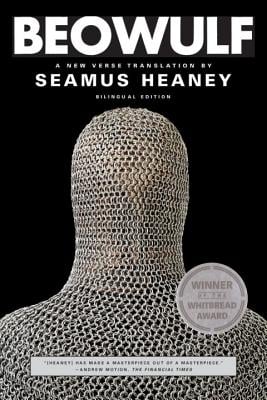
In the introduction to his translation of Beowulf, Irishman Seamus Heaney ponders the epic nature of the story and the mythology of the Anglo-Saxon tradition. He wonders at why Beowulf’s story is not as well known as Greek mythology and Homer. My initial thought on reading the poem (in Heaney’s poetic translation) is that it’s
Read Post

Twitters is alive today with tweets about International Women’s Day. Since I hadn’t heard of it before, I looked it up to see what’s it’s about. Each country or organization can choose it’s own theme to focus on to celebrate women. The United Nations theme for 2011 is this: Equal access to education, training and

Read Post

I watched the movie starring Laurence Olivier. I read the play. I read some analysis on the play. I thought about it for two weeks. I read the play again. And yet, I still don’t understand why anyone believed Richard’s sincerity from the beginning. I believe Shakespeare intended Richard’s power to be in his words,

Read Post

I enjoyed my reread of Mere Christianity probably more than I enjoyed my first (and second) read of it. C.S. Lewis is just a master at capturing his points with analogies. It was a difficult book for our book club, and we all wished we’d split the book into two meetings, or just read part

Read Post

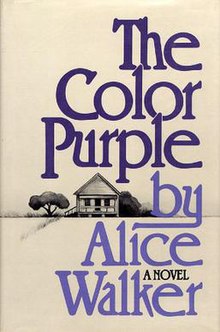
In her personal journal to God, young Celie tries to make sense of the incestuous rape she’s experiencing from her Pa. A few pages later, she tries to make sense of the unhappy marriage she’s thrust in to. For Celie, life entails hard work, submission, violence, and daily rapes from her (nameless) husband. Does that

Read Post

Reading Round about a Pound a Week gave me a new perspective on the inequality that comes from poverty. As the title indicates, the book is a description of a 1909-1913 study of 42 families in the Lambeth neighborhood in England that live on about a £1 a week. It is no easy task getting

Read Post

Cranford (published 1851) is a quiet book, focusing on traditions in a changing pre-Victorian society in a small rural community. Given it’s slow pace, when I first read Cranford (thoughts here), I really struggled. I felt stifled by the overbearing traditions of the community of Cranford, and I wondered where the plot was. Yet, by

Read Post

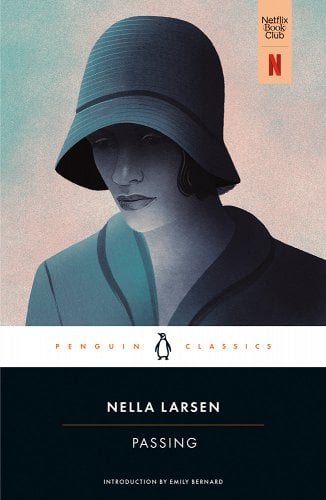
Passing by Nella Larsen (first published 1929) captures the conflicts that young African-American women face in 1920s America. Although solidly a part of the Harlem Renaissance in the ways it tackles racial issues, Passing also magnificently captures a young woman’s repressed sexuality. The terms “passing” refers to a light-skinned African-American acting as white in order

Read Post

This post may contain thematic spoilers of My Lady Ludlow. Lady Ludlow is the representation of the old aristocracy in England.  She is a conservative who does not want to allow the lower classes to gain an education or to gain “rights” in the post-Revolutionary years. Beyond those that are her servants, she essentially does

Read Post

I finished Jane Austen’s Persuasion almost a month ago now, and I’ve been putting off writing my thoughts simply because I didn’t like it. Before you attack me with incredulity, you should know that I read it in the midst of stressful and busy time of year, during a whirlwind trip to my grandmother’s funeral,

Read Post