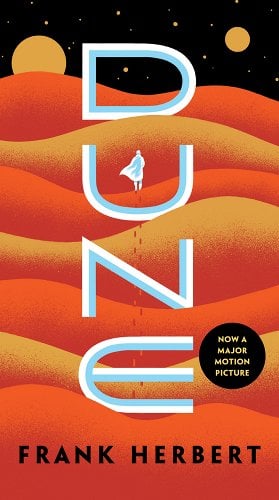
Dune by Frank Herbert is a story of a boy searching for himself, and what Paul Atreides discovers about himself is beyond his expectations. Dune is a story of realization. Paul must face his fear, and Jessica, his mother, must face hers as well. For me, Dune was a reminder that it is better not
Read Post

In How to Read & Why, Bloom doesn’t dwell long on defining the short story in his introduction to the genre. However, he does introduce some ideas of what a short story may be and asks generally how one should read a short story. He bases his comments on other’s definitions. Some of these he

Read Post

I’m giving away a copy of How to Read and Why to someone joining my personal challenge. Read my discussion of the preface for more information. This is a very long post; I’m breaking my own rules of length because I spent a long time reading and pondering Bloom’s prologue, and I have a lot

Read Post

Booker Prize-winning Life and Time of Michael K by Nobel-prizing winning J.M. Coetzee was a challenging but rewarding read for me. In the midst of a futuristic South African civil war, Michael K lives to survive, and that is all. He has no wants and needs other than to be left alone. I spent the

Read Post

While I loved the gorgeous illustrations in Brian Selznick’s Caldecott-winning novel The Invention of Hugo Cabret and I was entertained by the story, I found the writing amateur and the developing plot overdramatic. In the end, however, I liked this children’s novel, as “unbalanced” as it felt. The Invention of Hugo Cabret is an illustrated

Read Post

I like to read. I’ve decided it’s time I learn how to read. I don’t know when I first figured out how to read the written word, but I’ve always been a reader. When I was young, I’d ride my bicycle to the library and return home with my backpack full of books. I’d devour

Read Post

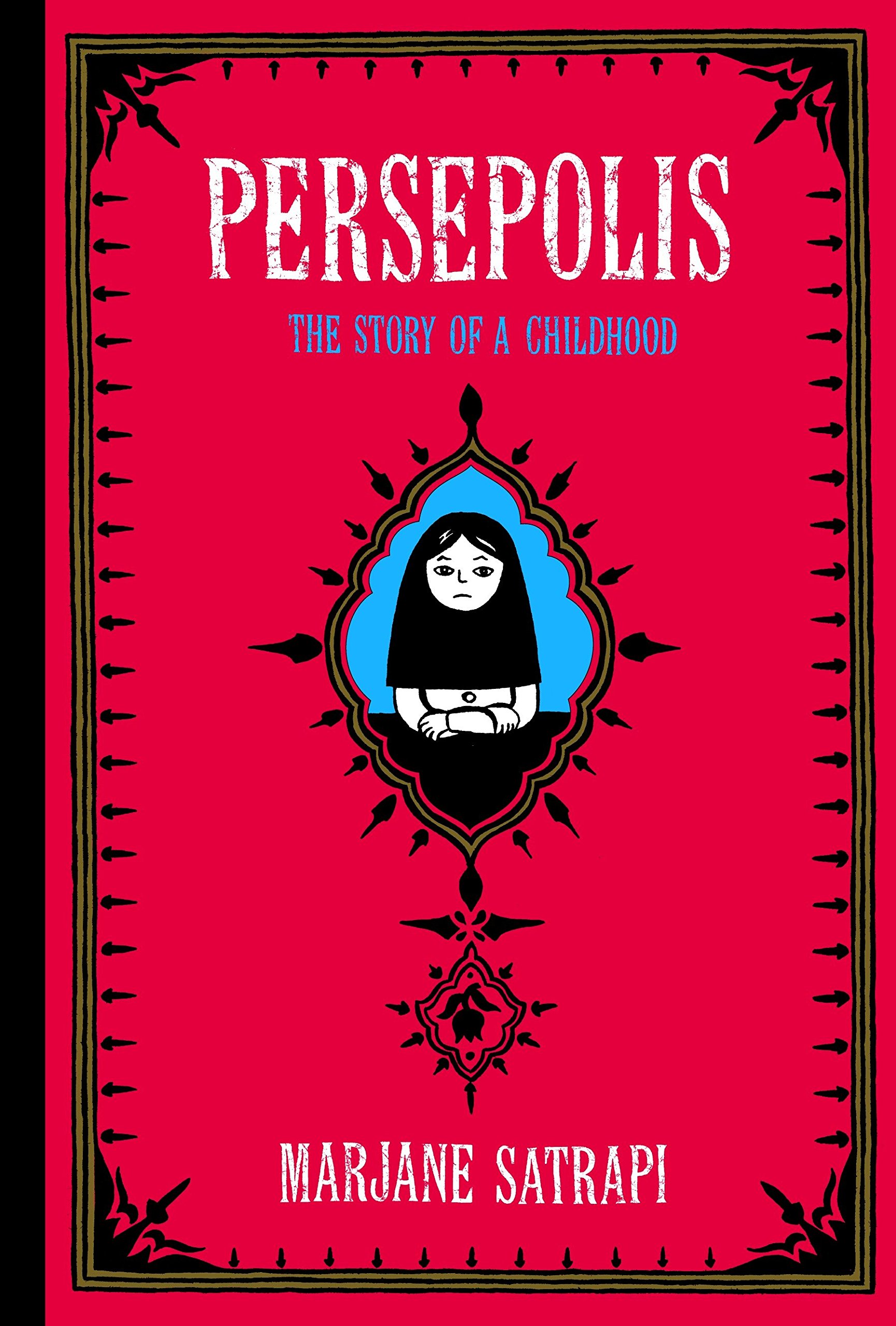
Marjane Satrapi’s Persepolis:The Story of a Childhood was a delightful but heartbreaking memoir of a girl coming of age during the Iranian revolution and war, 1979-1983. Marji is just 10 when the Shah is overthrown and Iran is transformed into an Islamic state. Marji suddenly must wear a veil and hide her sneakers, which are

Read Post

In his introduction to a 1912 translation by V.S. Vernon Jones of Aesop’s Fables (available online here via Project Gutenberg), G.K. Chesterton claimed that Aesop’s fame “was all the more deserved because he never deserved it.” Chesterton continued: “The firm foundations of common sense, the shrewd shots at uncommon sense, that characterise all the Fables,

Read Post

Edith Wharton’s 1921 Pulitzer prize-winning novel, The Age of Innocence, carefully illustrates the social stigmas prevalent in 1870s New York. I loved Wharton’s ability to draw me in to the internal battles the main characters faced, and I empathized with their desires to find belonging. While today’s social stigmas differ, the emotions remain the same.

Read Post