The almost-magical The Secret Garden by Frances Hodgson Burnett (originally published serially in 1910) captures the transformation of a lonely girl into an outgoing and confident one through the power of magic and friendship. With a focus on the healing power of nature, it is also perfect for spring. It is a book that is

Read Post

Sink Reflections by Marla Cilley (Bantam Dell, 2002) is a self-help manual for women in need of ideas how to get organized in cleaning their homes and de-cluttering. It is written by The FlyLady, a popular blogger since 1999, who has a lot of follower she calls “FlyBabies.” While the book itself made for slightly

Read Post

The Clutter Cure by Judi Culbertson (McGraw Hill, 2007) helped me refocus my efforts at keeping my home nice. In her book, Ms Culbertson helped me identify my weak areas for accumulating clutter, recognize what I really want out of my space, and undertake some easy solutions for eliminating clutter without guilt. As I read

Read Post

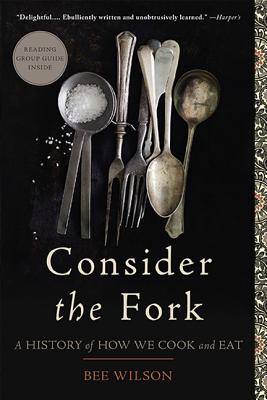
Consider the Fork: A History of How We Cook and Eat by Bee Wilson (to be published October 2012 by Basic Books) captures not just culinary history but cultural history, describing the foods eaten throughout history based on the tools available to prepare them. As a history of cooking, it left me grateful to live

Read Post

I first read Jane Austen’s Pride and Prejudice (1813) as a young teenager. Like many girls, I loved the romance between Elizabeth and Mr. Darcy, the clever conversation, and the rags to riches aspects of the Bennet’s story. I’ve reread it a number of times since my first encounter, and I’ve also enjoyed the movie

Read Post

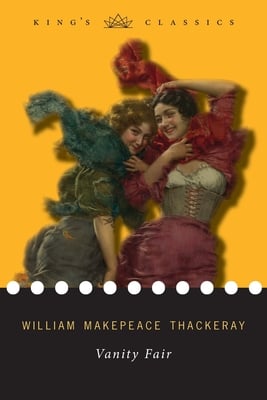
I read Vanity Fair by William Makepeace Thackery (first published 1848) over the course of four months, and then I’ve been delaying writing my thoughts about it for more than two weeks. My hesitation to post about it now is related to the fact that this master tome of Victorian literature is well deserving of

Read Post

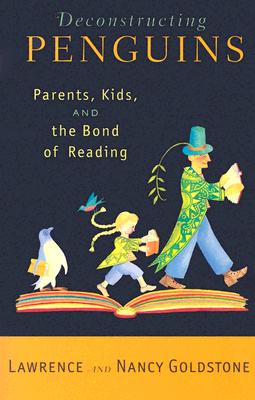
Deconstructing Penguins by Lawrence and Nancy Goldstone (Ballantine Books, 2005) has the attractive subtitle of “Parents, Kids, and the Bond of Reading.” Given my love of reading classic and quality literature to my son, this sounded like it would be a perfect fit for me. Once I began reading, however, I found that the Goldstone’s

Read Post

Eliezer Wiesel was a deeply observant 13-year-old Jewish boy when Moishe the Beadle came to his town with descriptions of the horrors of the war, where Jewish men, women, and children were buried in graves they had themselves dug. No one in Eliezer’s town of Sighet in Hungary believed this was happening. It only a

Read Post

I have been wanting to read a general overview of world history, so without any other ideas I picked up Cracking the AP World History Exam 2012, a general review book for high school students produced by The Princeton Review. I read about 200 pages of world history summaries, timelines, and key terms. As was

Read Post