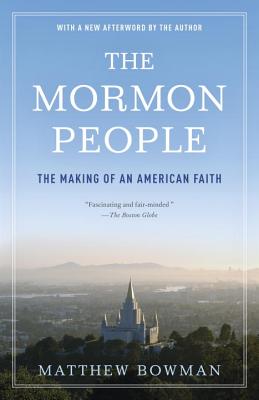
Like historian Matthew Bowman, I am an active participant in The Church of Jesus Christ of Latter-day Saints, commonly referred to as the Mormon Church. Bowman’s recent overview of the history and people of the Church, The Mormon People: The Making of an American Faith (published January 2012 by Random House), provides a different perspective

Read Post

Quicksand, Nella Larsen’s debut novel (published 1928) was not nearly as satisfying to me as her second one, Passing (published 1929), which I found a complex but intriguing look at race and repressed sexuality for a light-skinned “coloured” woman in New York during the Harlem Renaissance (thoughts here). Despite my frustrations with Quicksand, it is

Read Post

At my classics book club last night, one of the women had not had a chance to read The Heart is a Lonely Hunter by Carson McCullers (published 1940), but she came to hear the discussion about it nonetheless. She was not familiar with the book, and as we discussed it, she commented on how

Read Post

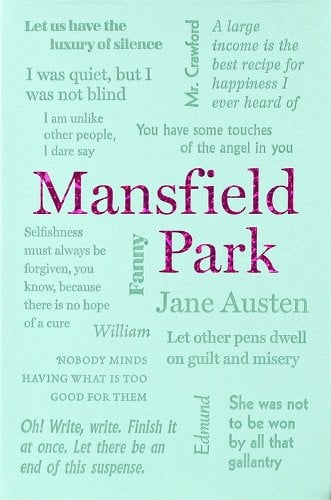
In Jane Austen’s Mansfield Park (published 1814), Fanny Price was the oldest daughter of a poor family, sent at age 10 to live with her generous and wealthy Bertram cousins. Yet, in the lovely Mansfield Park, Fanny was constantly reminded of her lesser status and spent her days for the most part assisting the lazy

Read Post

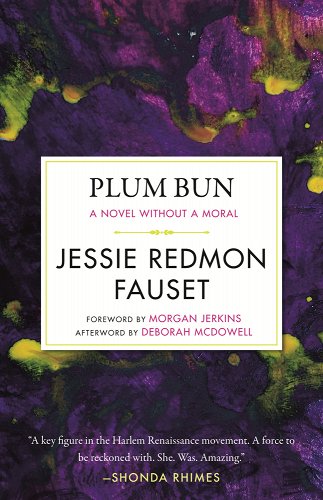
In Jessie Redmon Fauset’s second published novel, Plum Bun: A Novel without a Moral (published 1928), one woman struggles to finding her own identity racially and sexually in New York City during the vibrant years of the Harlem Renaissance. Artist Angela Murray is a light-skinned “coloured” woman in the transitional years of the late 1910s

Read Post