

My favorite nonfiction books to read are the ones that I see help my two-year-old son to better understand himself. Hands Can by Cheryl Hudson is full of pictures of real children, and it illustrates some of things he can do. Sometimes when he does something with his hands, like clapping or carrying or climbing, he notices

In The Snow Day by Komako Sakai a little bunny and his mommy are stranded at home and daddy’s airplane can’t come home because of snow. The bunny watches it snow, he plays in the snow, and finally Daddy’s plane comes home. How perfect is that parallel? The beautiful illustrations and well-spaced text perfectly captured the feeling

After reading Siesta by Ginger Guy and illustrated by Rene King Moreno (An ALA Notable Book), I decided to try this. In the book, two kids and their teddy bear, gather together a few things, such as a yellow book and a blue backpack and then a brightly multi-colored blanket and then go outside for their “siesta.”

Junichiro Tanizaki’s Naomi is about obsession. Joji, a mediocre businessman, lets his obsession of the mysterious girl Naomi overtake him. Yet, while the novel is full of sensual obsession, it is ultimately about obsession with Western culture, for Naomi is a Western-looking girl that personifies an idealization of the west.

In The Masterpiece, Zola captures the pain of creation, as he claimed himself: I want to depict the artists’ struggle with reality, the sheer effort of creation which goes into every work of art, the blood and tears involved in giving one’s flesh, in trying to make something that lives. (Introduction to Oxford World Classics

Shakespeare’s King Lear captures family relationships (father to daughter, father to son, brother to brother, sister to sister) in an undeniable tragedy. Lear is betrayed by his two eldest daughters and Gloucester is betrayed by his eldest (and illegitimate) son. But although there is broken trust and mourning, there are also tender expressions of true
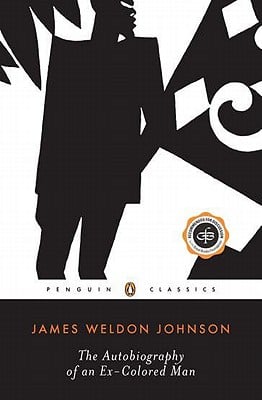
I had to keep reminding myself that The Autobiography of an Ex-Colored Man by James Weldon Johnson was actually a novel. It was realistic, and it was engaging and entertaining at the same time. Even more, it has a place in history alongside true-life narratives as an account of what some African-Americans may have felt

I wanted to read more about genetics, so I picked up The X in Sex: How the X Chromosome Controls Our Lives by David Bainbridge (Harvard University Press, 2003), which focuses on the genetics of the sex chromosomes. It was a very engaging and easy to understand book, and it has left me even more interested in

As a devoted reader of original classics, I’m not keen on the idea of “rewriting” them or retelling them. Why wouldn’t I read the original? Nonetheless, I decided to give Charles Darwin’s On the Origin of Species: A Graphic Adaptation by Michael Keller and illustrated by Nicole Rager Fuller (Rodale Books, 2009) a try, and I

Back in February, I chose James Watson’s DNA as a science project book. At more than 400 pages, it intimidated me, because I’m not normally a reader of science books. I was hoping it was a good balance of technical and “pop” science. Unfortunately, it wasn’t the best book on the subject, and much of
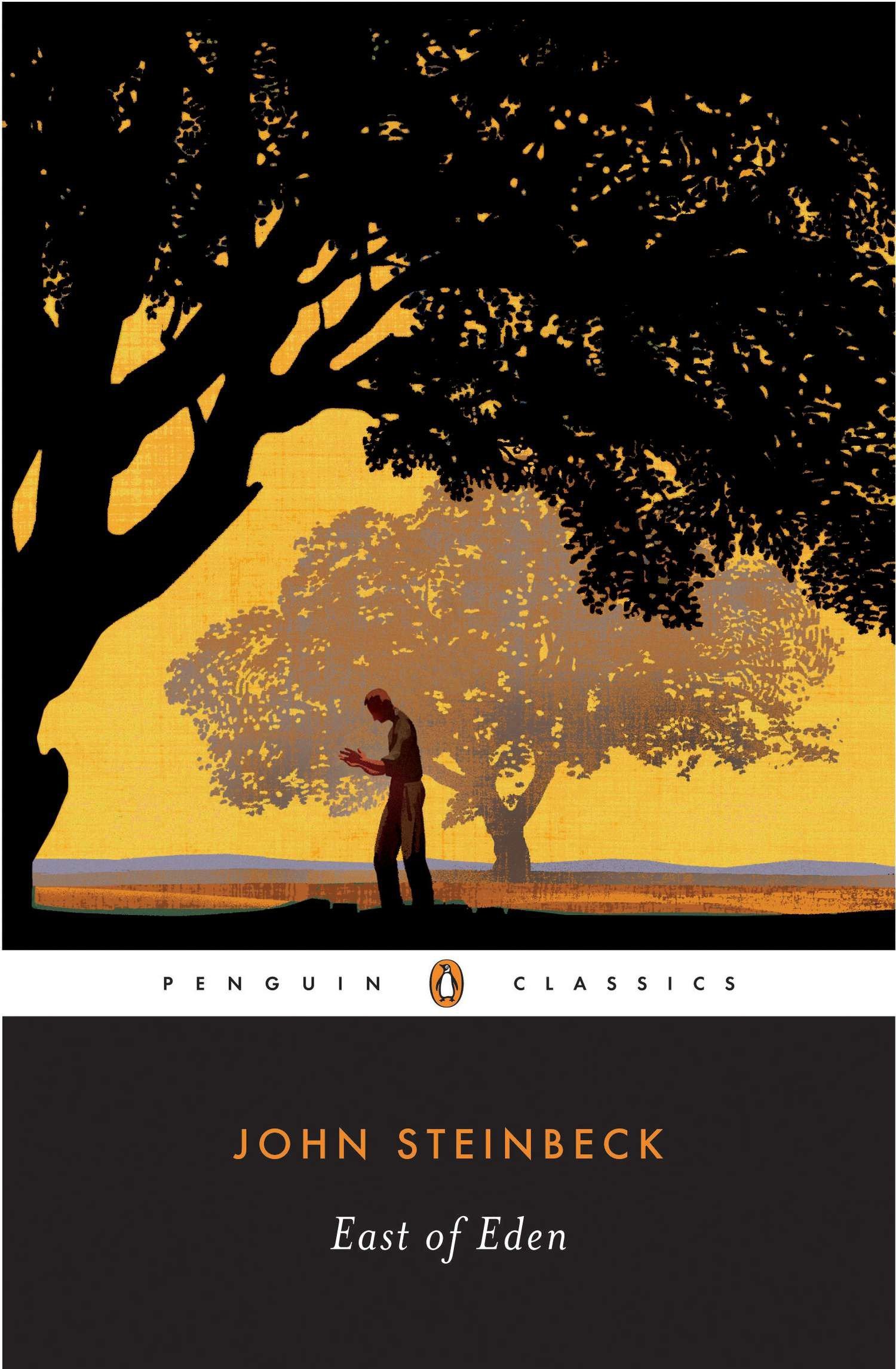
My interest in rereading East of Eden by John Steinbeck was purely personal: reading it the first time was what prompted me to start a book blog in the first place. I enjoyed my reread, mostly because Steinbeck’s writing is so incredible. The themes of good versus evil in human nature still felt universal to

I was a skeptic. I had heard the hype and still I avoided The Help by Kathryn Stockett. My book club decided to discuss it this month and I grudgingly put a hold for it at the library. The hold came in and I let it sit on my TBR shelf for a week before
Page [tcb_pagination_current_page] of [tcb_pagination_total_pages]