
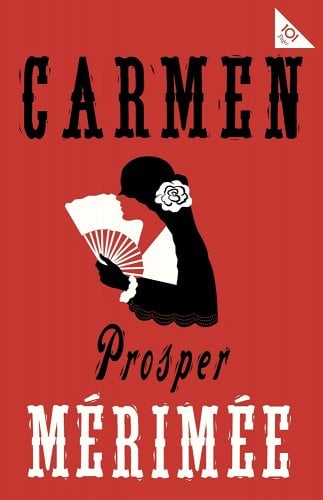
I had previously seen the opera Carmen by Georges Bizet, so I thought I’d revisit it on CD during my opera phase in November. When I listened to the commentary CD for it (produced by the Chicago Lyric Opera), I discovered that the story was originally a novella by Prosper Merimee, so I downloaded the
In November, I reread Cry, the Beloved Country for my book club and then, because I loved that book so much, I read Too Late the Phalarope, also by Alan Paton. Although I am glad I had a second experience with Paton’s South Africa, I still much preferred the first novel. I’d be happy to

Aucassin et Nicolete was written in medieval France, but it’s not your typical roman d’amour. I haven’t actually read any other medieval romances. My expectations of “typical” are all formed on stereotype. In many ways, Aucassin and Nicolette meets those fairy tale stereotypes. On the other hand, something goes quite “wrong” in this love story,
Today I welcome Wilkie Collins to my blog through the Classics Circuit. Although I like reading classics, I don’t know much. Before August of this year, I’d never heard of Wilkie Collins! I first experienced Wilkie Collins through The Woman in White (loved it!), and I recently read The Moonstone. For this Circuit, I decided
When I joined the 2009 Science Book Challenge, I didn’t intend to focus on neuroscience, but it turns out that that branch of science is absolutely fascinating to me. These two books I read really have convinced me that science and art are inextricably related each other, for art is perceived and appreciated by the
I’ve have been itching to read Jane Austen lately, and although I’ve decided to read Sense and Sensibility for Valentine’s Day, I found a few things that could satisfy my craving right now! A movie or two also may help in the coming weeks.
When I decided to start posting reviews of a few books at the same time, I still intended to write the reviews as I go as I did for my math and science reviews the other week. Although I wrote a separate review for the cookbook memoir I read by Emily Franklin, once I read

When I reviewed and analyzed Julius Caesar in depth back in June, I expected that I’d do the same with all the other Shakespeare plays I read while I have had this blog. And yet, I cannot “analyze” Macbeth. While I enjoyed reading Macbeth, it was not a “deep” reading experience for me. I’ve found
My experiences with Victorian novels had been quite positive, so I jumped in to read a few more. I enjoyed both The Moonstone and North and South very much. I did give up on A Tale of Two Cities this week. While Oliver Twist seemed intuitive and easy to breeze through, Two Cities has been
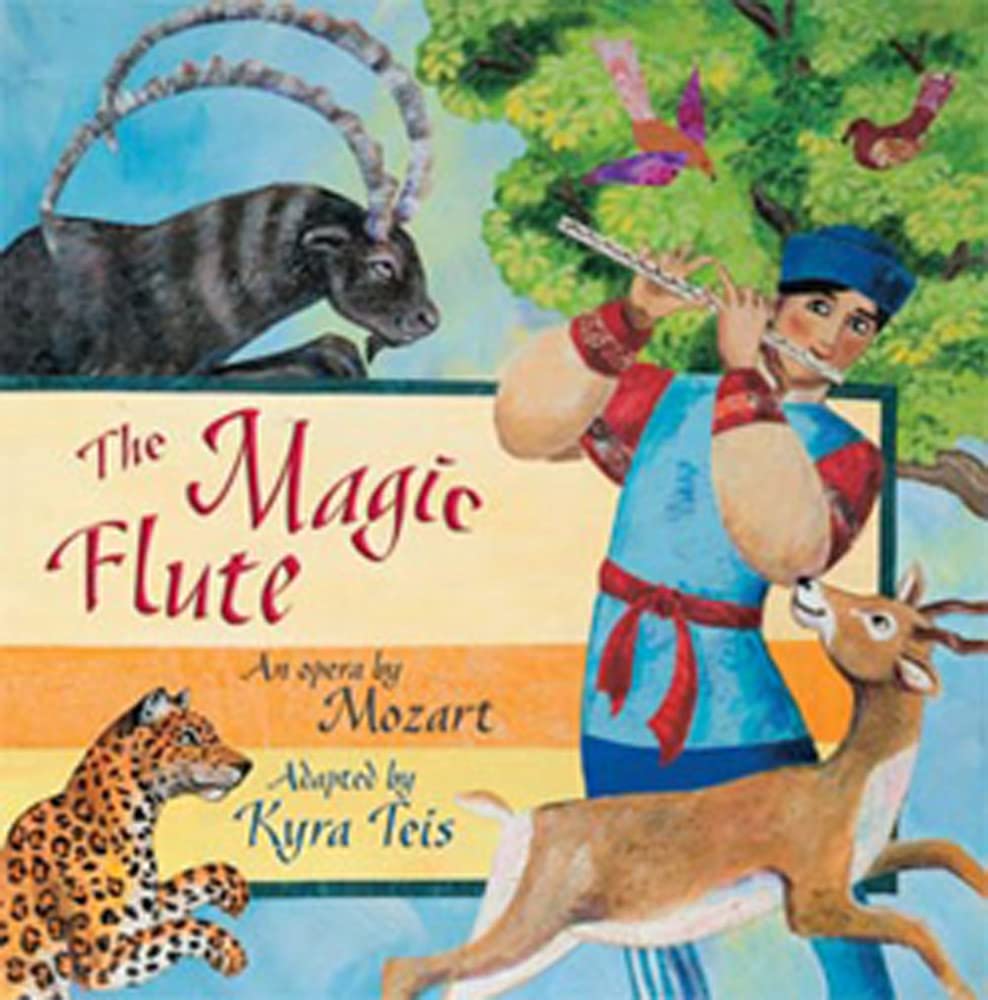
The Magic Flute (Die Zauberflöte) by Wolfgang Amadeus Mozart (music) and Emanuel Schikaneder (libretto) holds a special place in my life: it was an opera my husband took me to when he was courting me. It’s been four years now, but I still feel giddy when I think about that special time when we were
For those that read this blog regularly, it is probably no surprise that I prefer art, literature, history, and social sciences to mathematics and science. Before this month began, I hadn’t read any books in the Dewey Decimal 500s category or the 600s category (for the Dewey Decimal Reading Challenge) in all of 2009. I
Pablo Neruda’s early poetry (specifically, Twenty Love Poems and a Song of Despair) does not have much to do with Sandra Cisneros’ The House on Mango Street. Neruda was a Chilean who wrote love poetry (in Spanish) in the early 1900s at the age of 20. Hispanic-American Sandra Cisneros wrote in the 1980s a short
Page [tcb_pagination_current_page] of [tcb_pagination_total_pages]