

Now that he’s reading a mile a minute, it’s time to hear from my six-year-old again! Ramona the Pest by Beverly Cleary. Ramona is a girl. She is excited to do Kindergarten. During Kindergarten, she gets to school and sees a group of children huddled together. She asks the groups what is wrong and they say

Now that he’s reading a mile a minute, it’s time to hear from my six-year-old again! The Falling Raindrop by Neil Johnson and Joel Chin. This is a picture book. It is fiction. It is a story about a raindrop. In the book, a raindrop got born and fell into a fire and he turned into

Now that he’s reading a mile a minute, it’s time to hear from my six-year-old again! The Mouse and the Motorcycle by Beverly Cleary. Ralph is a mouse. Keith is a boy. Ralph and Keith meet in a hotel. Keith gives Ralph a motorcycle. It is a toy motorcycle. If Ralph makes a sound, it moves! I

And the Winner Is… by Etta Kaner (Kids Can Press, 2013) is a clever look at animals by looking at some of the extreme things they are able to do, from sprinting and high jump to weight lifting and swimming. Subtitled “Amazing Animal Antics,” this book is both informative and fun. The illustrations by David
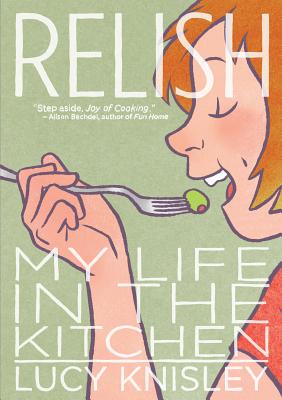
It is the era when anyone can write a memoir, but not everyone can write one in comic book style. Relish by Lucy Knisley (First Second 2013) is a memoir about food during her life, from childhood to her adulthood. Lucy is a child of two true “foodies,” so her childhood revolved around good home-cooked

When I first saw it in the Netgalley catalog, I was startled by the title It’s OK Not to Share and Other Renegade Rules for Raising Competent and Compassionate Kids by Heather Shumaker (Tarcher, 2012). Not share? Isn’t that the first thing we teach our babies during play dates? I was delighted by some of the

I have been blogging on Rebecca Reads for more than four years now, but I still feel like a newbie when it comes to my new blog, Line Upon Line, which focuses on my homeschooling and education journey and promotes products, both free and paid, in the blogosphere. I found Born to Blog by Mark Schaefer and

I spent a few months reading about the Native Americans last fall, so Native Americans: A Visual Exploration by S.N. Paleja (Annick Press, 2013) caught my eye on Netgalley. As a brief visual overview to the subject, it was a nice book for young readers. In general, however, it provided too little to be an

My son’s favorite phrase this month is “That’s not fair!” I’ve made an extra effort to try to help him understand why we have certain rules. And after reading the young adult nonfiction account, People Who Said No, of some people who said “No! This is not fair!”, I felt like I have some solid

How Children Succeed: Grit, Curiosity, and the Hidden Power of Character by Paul Tough (Houghton Mifflin, 2012) is a volume exploring why certain children succeed, despite the odds. He focuses on the children who are most struggling. Some of them succeed, by going to college and becoming successful, contributing members of society. What in their

When No One is Watching by Eileen Spinelli and illustrated by David A. Johnson (Eeerdmans Books for Young Readers, 2013) is about a girl who loves to be crazy (dancing, singing, grunting disapproval, and so forth) but only when no one is watching. If she’s around others, she is quite and sullen. She’s withdrawn and
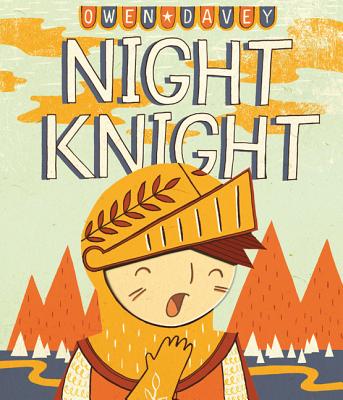
Night Knight by Owen Davey (Templar Books, 2011) begins and ends with a boy with a colander as a hat, holding a play horse, but the rest of the illustrations show a different story: a knight coming to the end of his day. The illustrations are playful and fun as the “knight” bathes with the
Page [tcb_pagination_current_page] of [tcb_pagination_total_pages]