John Milton is much smarter than I am. Reading Paradise Lost, I haven’t felt that lost because I’m familiar with the general religious traditions he’s talking about. There are “pagan” traditions mentioned too, but I haven’t felt lost, and footnotes help. Reading Milton’s early writings is a different story. I feel like he’s purposely trying

Read Post

Shakespeare’s King Lear captures family relationships (father to daughter, father to son, brother to brother, sister to sister) in an undeniable tragedy. Lear is betrayed by his two eldest daughters and Gloucester is betrayed by his eldest (and illegitimate) son. But although there is broken trust and mourning, there are also tender expressions of true

Read Post

Medea is another ancient Greek play by Euripides, and yet, it is completely different from the other play I read last year. I read the Rex Warner translation in The Norton Anthology of World Masterpieces (seventh edition). As I haven’t read any other translations, all I can say is that this one was refreshingly easy

Read Post

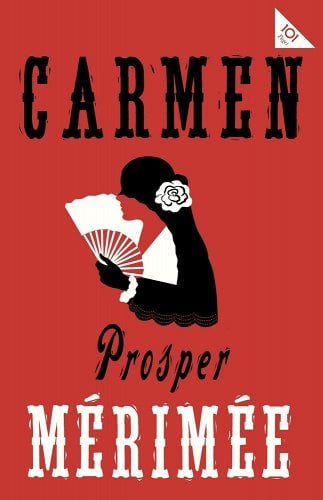
I had previously seen the opera Carmen by Georges Bizet, so I thought I’d revisit it on CD during my opera phase in November. When I listened to the commentary CD for it (produced by the Chicago Lyric Opera), I discovered that the story was originally a novella by Prosper Merimee, so I downloaded the

Read Post

When I reviewed and analyzed Julius Caesar in depth back in June, I expected that I’d do the same with all the other Shakespeare plays I read while I have had this blog. And yet, I cannot “analyze” Macbeth. While I enjoyed reading Macbeth, it was not a “deep” reading experience for me. I’ve found

Read Post

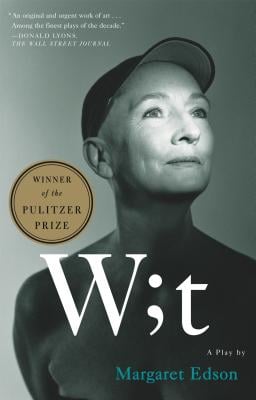
The Summer Lovin’ Challenge is all about rereading favorites, so can you blame me for squeezing in a short reread this week? After I made my list, I couldn’t resist. I love rereading my favorite books! Wit by Margaret Edson is a quick read (I think I read it in about an hour over the

Read Post

There is something to be said for close, careful reading. I must have read Shakespeare’s Julius Caesar with the rest of my tenth grade class, but I honestly didn’t remember any of it. I decided to read it this month as a part of the Martel-Harper Challenge, for which Yann Martel chooses “book[s] that ha[ve]

Read Post

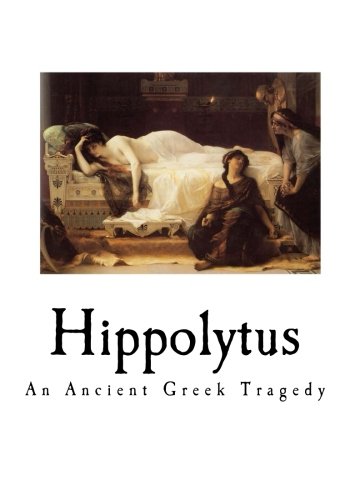
What would a young man say or do if he learned that his step-mother had fallen in love with him? In the play Hippolytus by Euripides, Hippolytus finds out that his step-mother has fallen for him. But what he doesn’t know is that the goddess Aphrodite has had her hand in these matters.

Read Post