Sleepwalking Land by Mia Couto1 blends two stories of seeking one’s identity in the midst of war-torn Mozambique. In the first, an old man and a young orphaned boy have fled a refugee camp and seek shelter in a burned-out bus on the side of the road. Near a corpse, they find a set of

Read Post

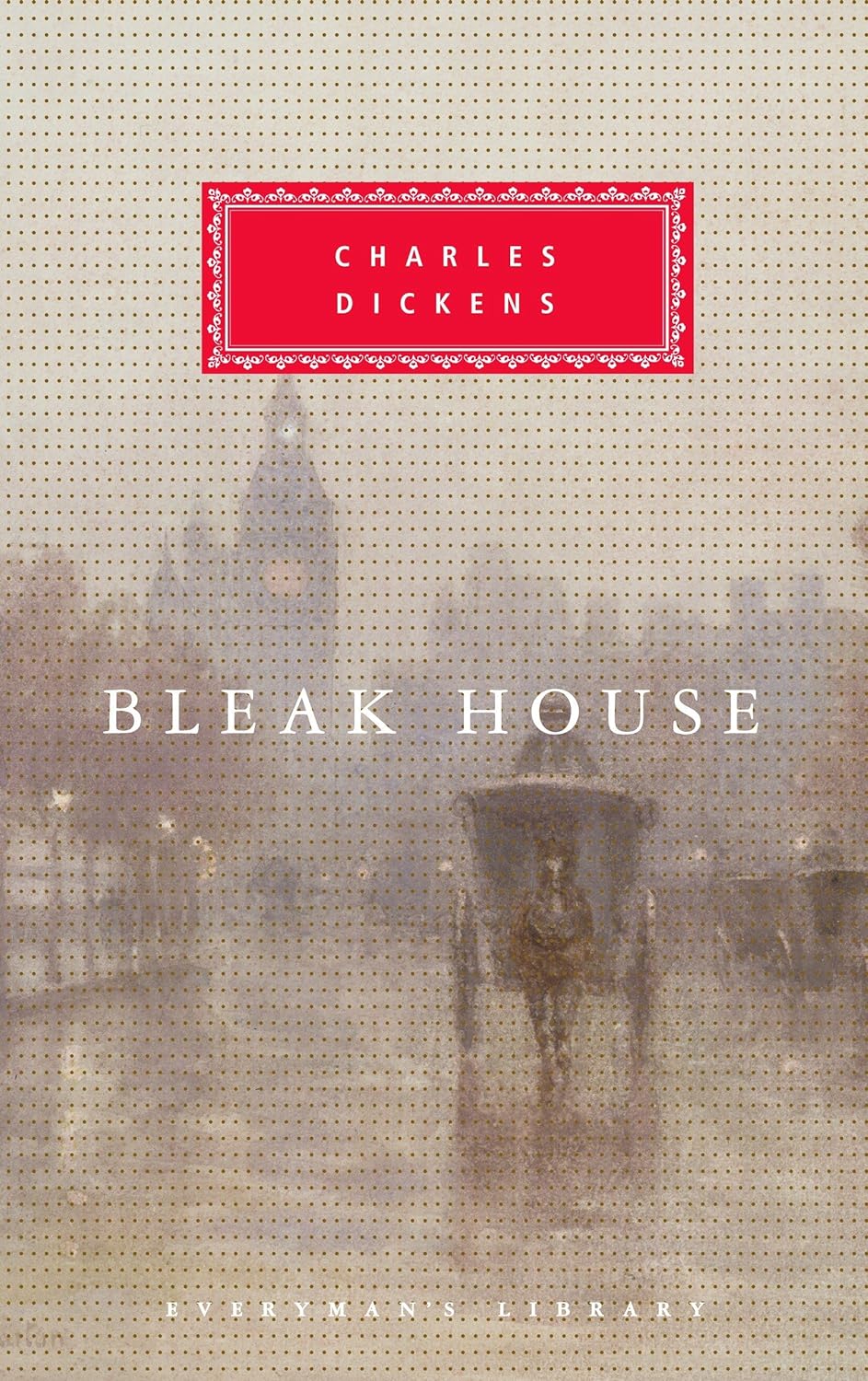
Bleak House (published serially 1852-1853) is a sweeping saga of epic proportions. Charles Dickens obviously planned the plot carefully, especially by providing an introduction and characters for the bulk of the first third of the novel, so that the last third of the novel would swiftly move to a satisfying conclusion that ties all the

Read Post

Note: this post contains “spoilers” for the first 60% of Bleak House. I have a book club discussion on this book next Wednesday night, so I have been pushing myself to read quickly: this has been my main reading material this week (after I finished 2 Henry VI, that is — more on that tomorrow,

Read Post

It has been a little while since I’ve read a Charles Dickens novel, but beginning Bleak House (first published in 1853) was a delightful reminder of why I enjoy this author so much: he’s so good at writing. The scene as it is established in the early passages of the novel is simply marvelous. I

Read Post

I have not read many gothic novels. The only one I’ve read is Matthew Lewis’ The Monk, which I was not a fan of (thoughts here). Notre-Dame de Paris by Victor Hugo (first published 1831) seemed far above The Monk in terms of quality. In addition to the better writing, there was the symbolic centrality

Read Post

As I began reading The Cellist of Sarajevo by Steven Galloway(2008), it seemed so familiar, but I couldn’t place why. I finally figured it out: it reads like a dystopian novel, where people are struggling to survive in an oppressive war environment. The characters in the book struggle just to get the basic necessities of

Read Post

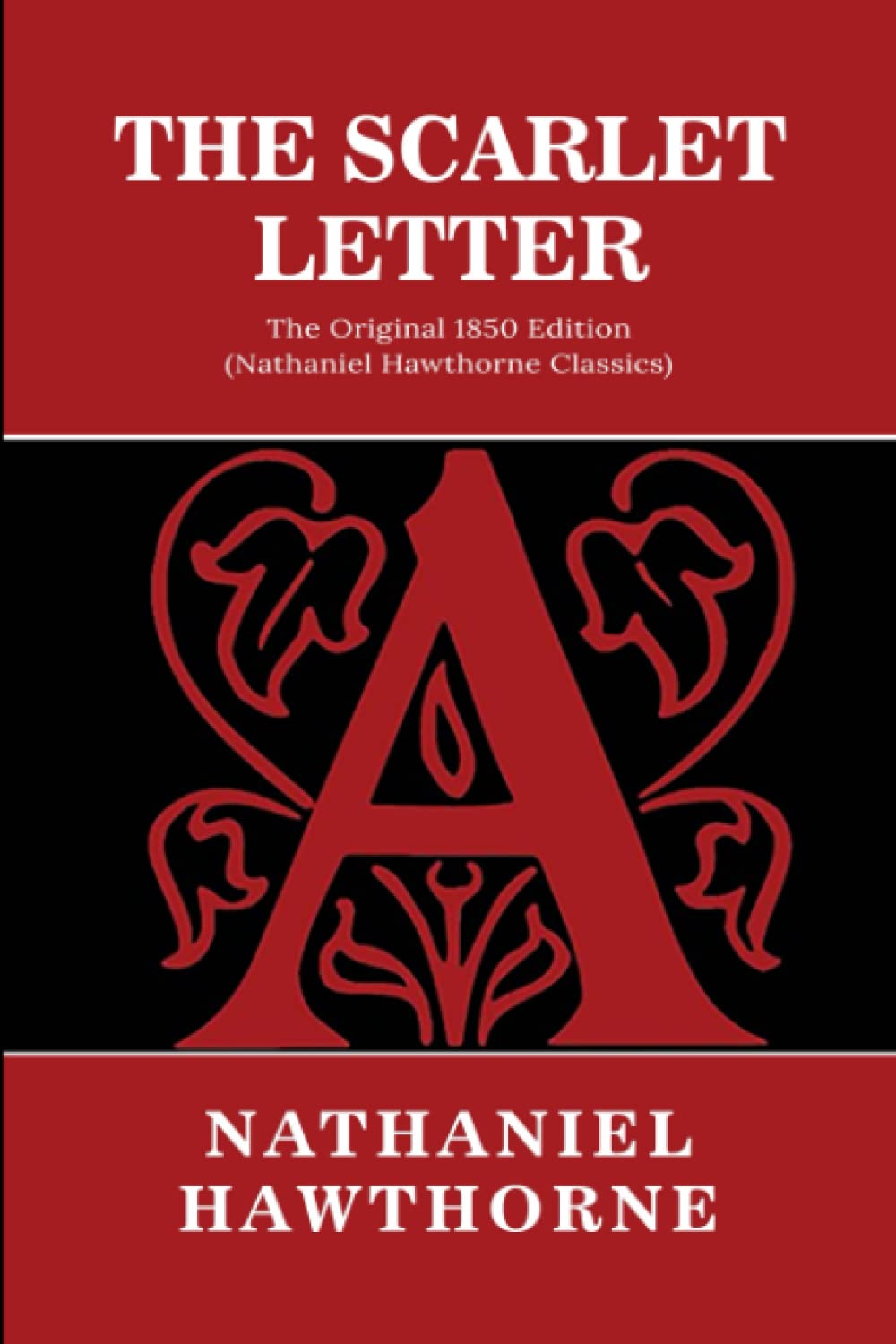
As I mentioned yesterday, my reread of The Scarlet Letter left me with lots to think about. I was particularly fascinated by the contrasts between the main characters: Arthur Dimmesdale, Hester Prynne, and Roger Chillingworth. And then, of course, innocent Pearl’s symbolic role in the novel was the most interesting part of the moving story

Read Post

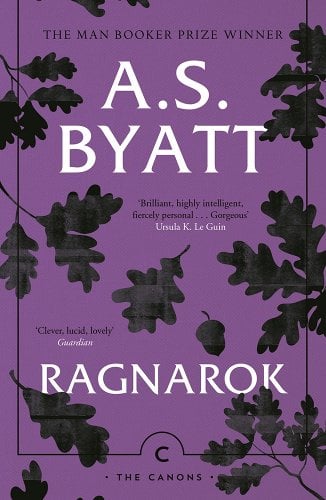
I wrote about my thoughts on D’Aulaires’ Norse Gods and Giants separately. However, I don’t believe one needs an introduction to Norse mythology to fully appreciate A.S. Byatt’s Ragnarok (published in the U.K. in 2011; to be published in the U.S. in February 2012). In Ragnarok, Byatt creates the world of the Norse gods and

Read Post

When the confident orphaned young American woman at the center of The Portrait of a Lady by Henry James (published 1881) receives a fortune, it seems she will be able to live her dream life of happiness. Yet, James’ portrait of Isabel Archer’s character, emotional development, and her choices is a complex one. As a

Read Post