How Children Succeed: Grit, Curiosity, and the Hidden Power of Character by Paul Tough (Houghton Mifflin, 2012) is a volume exploring why certain children succeed, despite the odds. He focuses on the children who are most struggling. Some of them succeed, by going to college and becoming successful, contributing members of society. What in their

Read Post

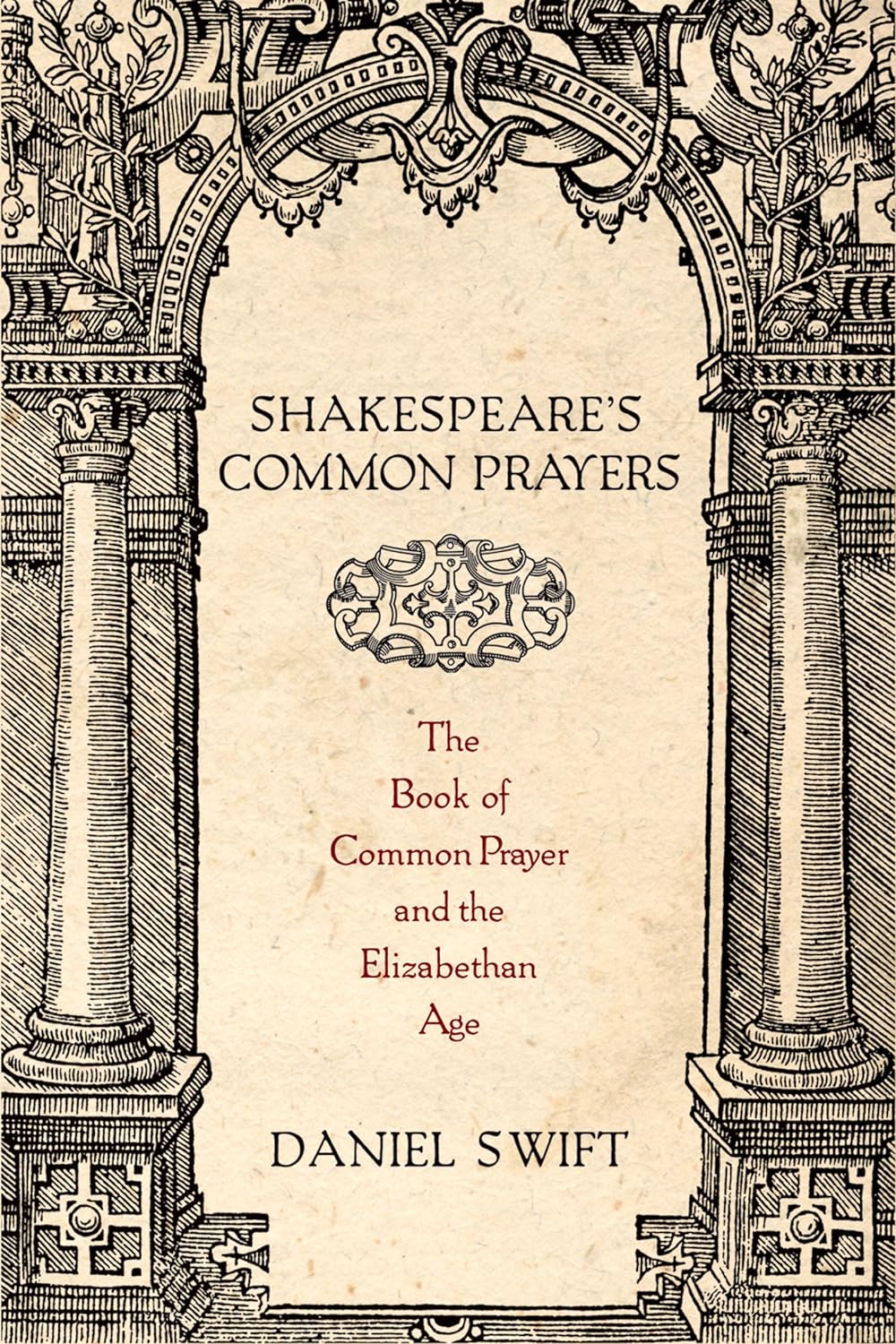
William Shakespeare’s plays have abundant evidence of the influences on the man behind the words. Shakespeare obviously was familiar with the world and especially human nature. I’ve read that he did not get some geographic facts correct, but in general, he seems to have been pretty well rounded. Just read a play and you can

Read Post

Mem Fox is a successful children’s book author and literacy expert. Her expertise in Reading Magic (Harcourt 2001) comes across as personal and passionate, mostly because she writes foremost from her position as a mother. Her main point in writing this book is to read aloud to our children, making it a fun time and

Read Post

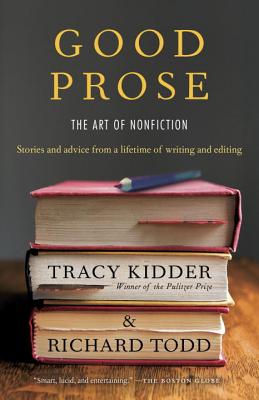
Good Prose: The Art of Nonfiction by Tracy Kidder and Richard Todd (Random House, January 2013) is a volume about what makes nonfiction great. Using their own experiences as a writer of nonfiction (Tracy Kidder, bestselling author) and an editor of creative nonfiction (Richard Todd, Atlantic editor), the two friends provide a compelling tale of

Read Post

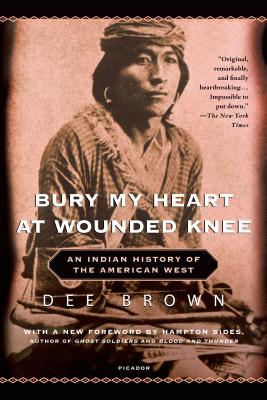
Bury My Heart at Wounded Knee by Dee Brown (published 1970, reissued in ebook form by OpenRoad Media) is an incredibly painful book to read. It is a straight-forward historical account of the last three decades of Native American Indians in the American West, an account of the great leaders and cultures that are no

Read Post

Raisin and I are only done with a little more than 40 of the lessons for the Kindergarten language arts program Logic of English Foundations. However, he enjoys it so much that I feel it is time I discussed it briefly on this blog. LoE Foundations is an “all in one” language arts for 4-6

Read Post

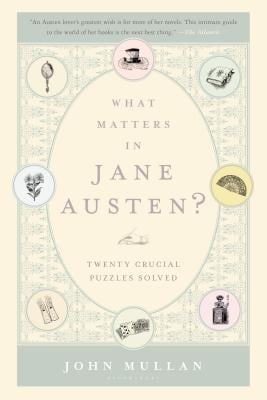
What Matters in Jane Austen? by John Mullan (Bloomsbury, 2012) is a literary theory light book for the masses of Austenites around the globe. But I hope that does not scare casual readers away from it, because What Matters in Jane Austen? is full of observations about the novels to help even the most casual

Read Post

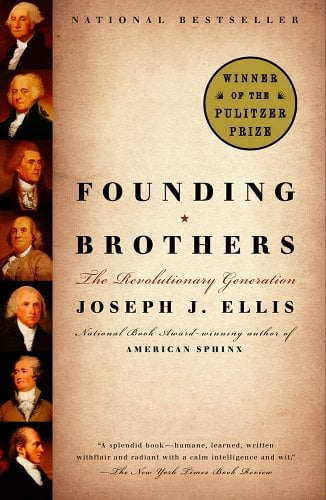
As I’ve scoured the lists of books about revolutionary America for a book to read for my own education, I struggled to find one that covered a variety of people (I love biographies, but I can’t read one about everyone!) and eras (I would love to learn about all eras of the revolution, from the

Read Post