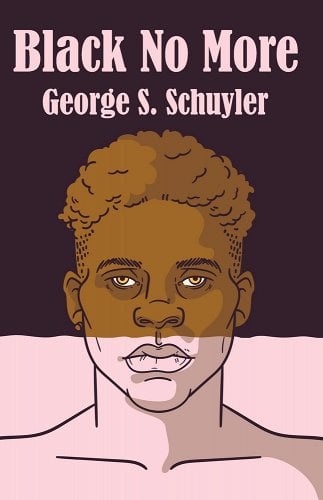
In 1934, an African-American doctor invented a surgical procedure that allowed black people to become white (specially, Nordic) in all respects. Black No More, Incorporated, became a highly profitable business, and the people of world were forever changed. Such is the premise of George S. Schuyler’s Black No More. It caught my eye because of
Read Post

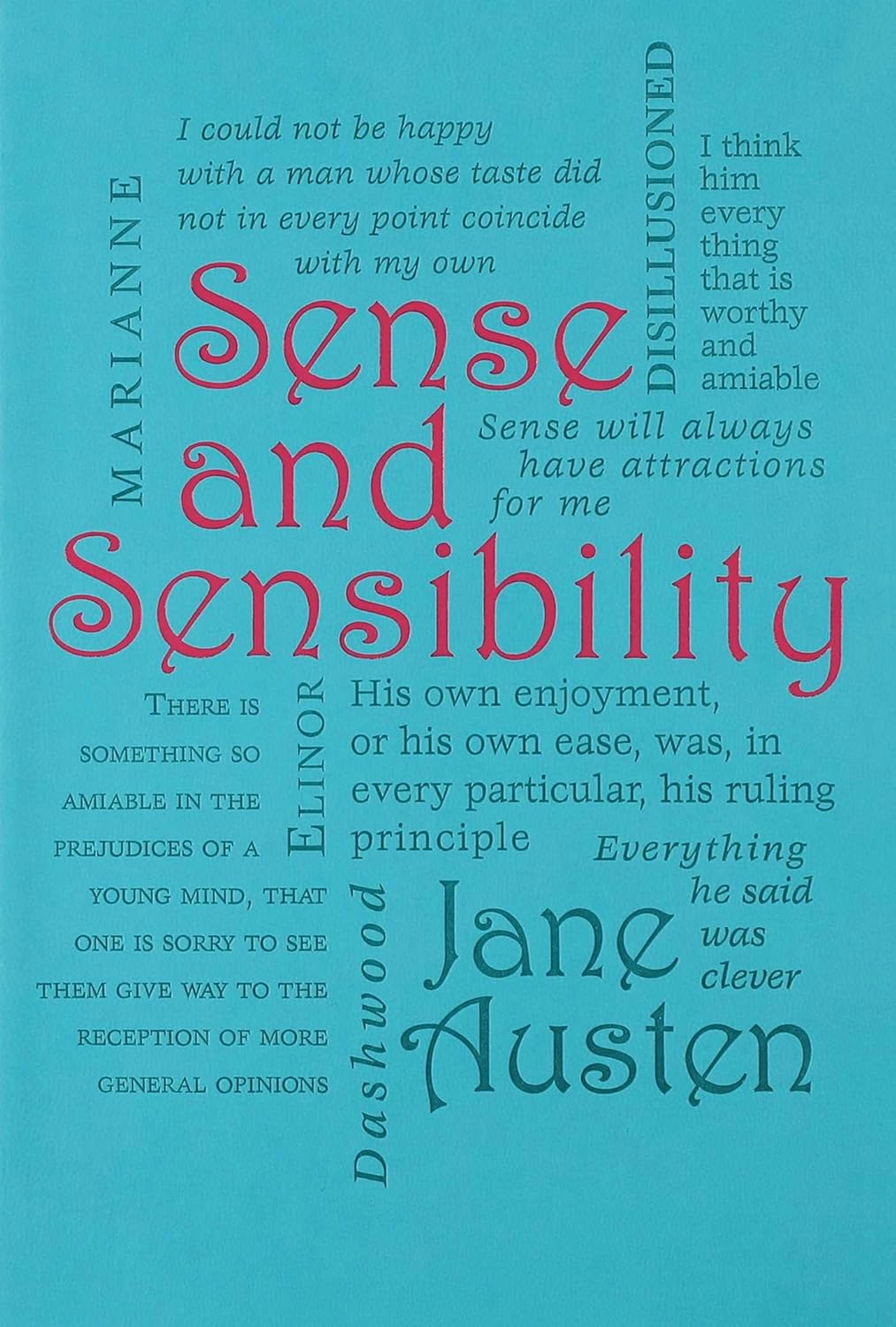
At first, I didn’t love Sense and Sensibility. The characters felt like flat stereotypes. The elder sister, Elinor Dashwood, was full of sense and Marianne (and her mother) was flighty and emotional (the “sensibility” of the title). These two acted in the extremes of their stereotypes, and I didn’t feel drawn in to the story.

Read Post

The introduction to my volume of Zora Neale Hurston’s retelling of the Biblical Exodus calls this a “badly flawed novel” and I’m sure it is. Hurston is basing her novel on a Biblical tale that lacks strong women characters, and she’s trying to make it feel modern. The introduction also criticizes the stereotyped way in

Read Post

Yesterday began Black History Month in the USA! The Harlem Renaissance-themed Classics Circuit began yesterday as well, and I hope you follow along as bloggers unite in reading classic works by African-Americans. Although this post is not for the Circuit, in preparing for that Classics Circuit, I did a lot of preliminary reading about the

Read Post

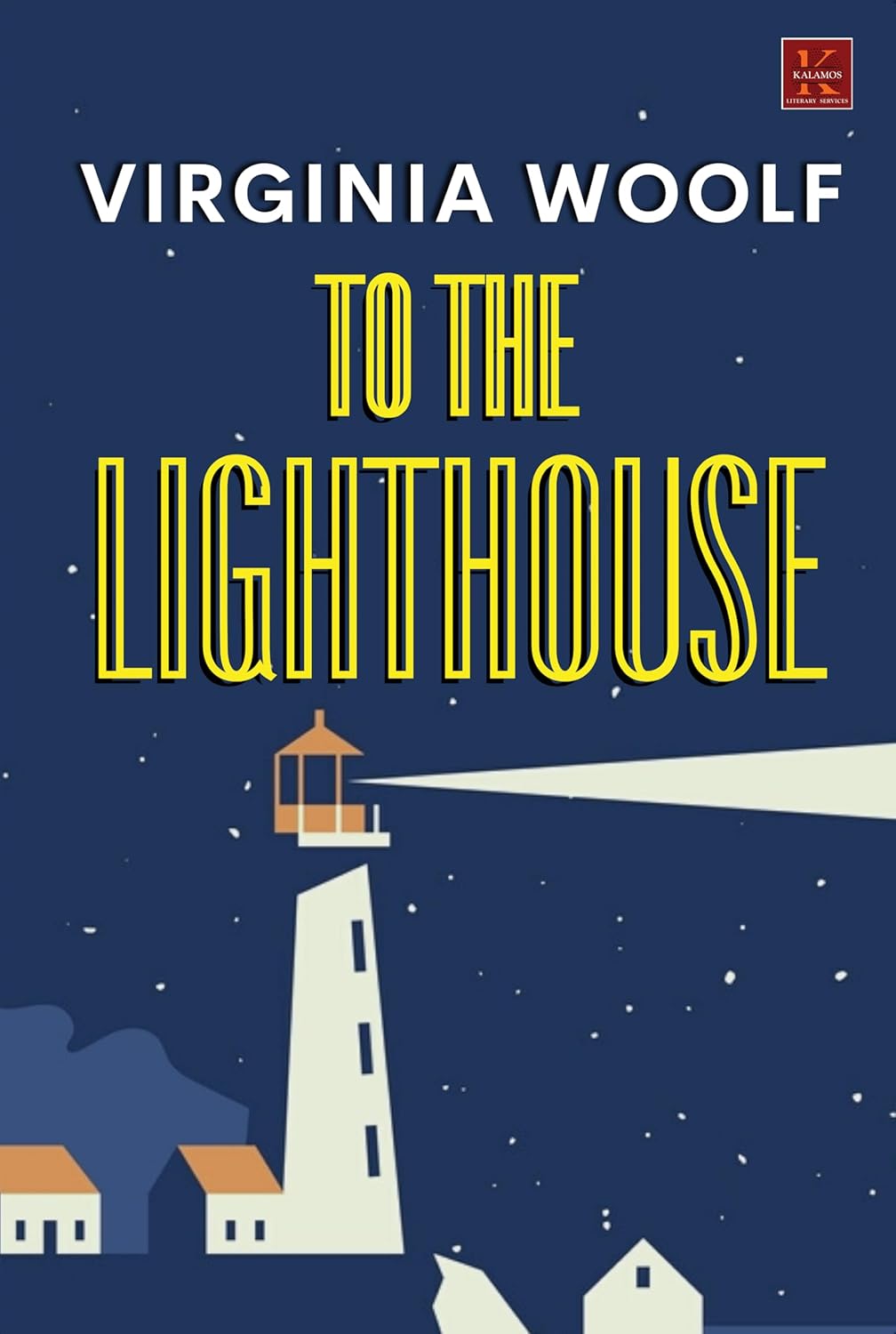
Although To the Lighthouse is told in a similar stream-of-consciousness manner as was Mrs. Dalloway (reviewed two weeks ago), it struck me as different, and I’m not sure why. Was there more plot? Maybe. Was it the setting (the Hebrides versus London)? Maybe. I do know that as I read, I was less emotionally drawn

Read Post

Because of my positive experience reading Sei Shonagon’s The Pillow Book, I thought I’d try some more Japanese literature. Amanda wrote a positive review of The Housekeeper and the Professor by Yoko Ogawa and I noticed that this was the selected book for the Japanese Literature Book Group run by tanabata at In Spring it

Read Post

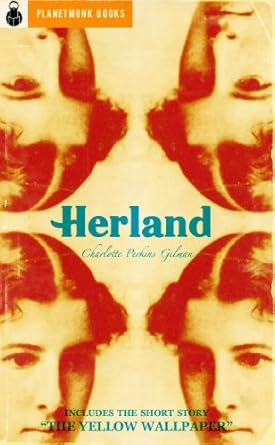
Although Herland by Charlotte Perkins Gilman is a slim book (124 pages), the issues raised are relevant today. I wouldn’t say Gilman’s writing is stunning or beautiful. The plot is not engaging or page-turning. It is predictable and overly “convenient.” The characters are stereotypes on steroids. But rather than expecting any of those other things,

Read Post

Although I didn’t love Jazz as much as I loved Toni Morrison’s Beloved, I found it to have a similar depth. I know such depth requires me to reread it in order to truly sum up the main point of the novel. Because I’ve only read it once, I’m somewhat stumped as I go to

Read Post