
I took a creative writing class in tenth grade. While I can’t say any of my output was remarkable, the best aspects of the class were the samples my teacher gave us of good quality stories and poetry. I hadn’t yet learned to appreciate poetry (it took two more years before that happened), yet I

In The Enchanted April by Elizabeth Von Arnim, an exotic Italian villa becomes a retreat for four lonely London 1920s women in four different stages of life. By allowing herself a vacation, each woman “finds” herself as she needed to do, and the significance of friendship and love in their lives solidifies. It’s a reminder
When I decided, in December, to read 1000 books with my son before he started kindergarten, I thought it was going to be difficult. I thought we’d have to force ourselves to read. I thought 1000 picture books was a lot. To my surprise, it’s going very fast. We both love this project. My son
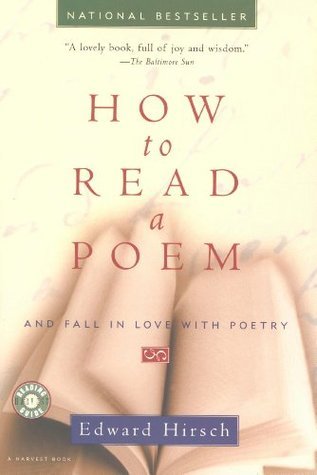
Because I’ve recently enjoyed reading poetry and because it’s poetry month, for my project book this month, I sought insights about poetry. How to Read a Poem (And Fall in Love with Poetry) by Edward Hirsch had been a national bestseller, and I loved the idea of being “tutored” in reading poetry. I can always
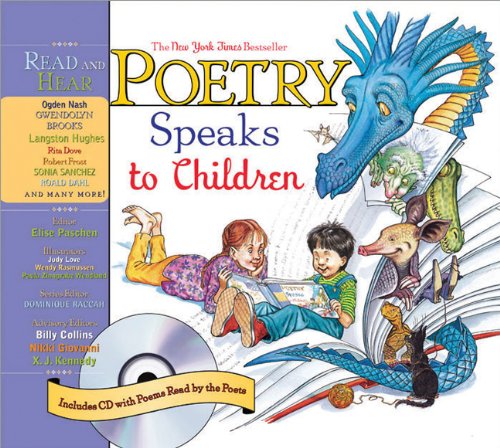
I own an adult poetry anthology, with accompanying CDs of the poets reading their work, called Poetry Speaks. While I haven’t read it cover to cover, I have listened to some of the poets and flipped through the book. I have enjoyed it. When I saw Poetry Speaks to Children on the juvenile nonfiction shelf

After reading both Crime and Punishment and The Three Musketeers this month, I really needed something quick and easy, engaging, and yet unique to catch my attention and give myself a break from the excellent but long masterworks my mind has been wrestling for the past three or four weeks. The Invention of Morel by

“Crime and Punishment,” says Richard Pevear in his introduction, “is a highly unusual mystery novel: the most mystified character in it is the murderer himself.” At first glance, there is no mystery. The answers to “who, what, when, and where” seem self-evident, especially since the murder occurs center stage in the first 80 pages of

Duels. Lovers. Mid-night rendezvous. Mistaken identity. Revenge. There was plenty of adventure in Alexandre Dumas’ The Three Musketeers. But it was the humor that captured my attention and kept me reading. I mentioned the other day that, thanks to Zola’s emphasis on “a point,” I was frustrated by the first bit of Dumas’ book, simply

Today I’ll share about a “growing up” book that I really enjoy. Little Gorilla by Ruth Bornstein shows a little gorilla and all the family and jungle animals that love him. Then, he begins to grow, and soon he is big. It ends with the simple sentence, “And everyone still loved him.” I began inserting

The Body Book by Shelley Rotner is one of my favorite nonfiction books for my toddler. We’ve checked it out a few times. It shows photos of children at all different ages, and it shows them engaging in fun outdoor activities with their feet, hands, legs, heads, eyes, noses. This is not a boring anatomy book,

I know I’ve mentioned it before, but the David books by David Shannon are funny child-friendly books with child-like illustrations. These are books my two-year-old son relates to completely. My favorite is still the original (No, David) but the baby David board books (called “Diaper David”) are also well done. Two that I have found

I’ve found that fiction can help my son relate to himself as he deals with his current awkward “am I a baby or a big boy?” stage. (It comes with a lot of tears and frustration on his part.) Baby Happy, Baby Sad by Leslie Patricelli is one fictional picture book that he enjoys. He can
Page [tcb_pagination_current_page] of [tcb_pagination_total_pages]