

I was a bit disappointed by Edith Wharton’s Ethan Frome. I’m glad I read it: it gave me a new perspective on Wharton, because it was a different setting, cast of characters, and theme from those I’ve read before. It was wonderfully written, with Wharton’s elaborate and realistic descriptions of the setting and thought processes.
When my son was a young infant in the middle of 2008, and I purchased Professor Seth Lerer’s Children’s Literature: A Reader’s History and spent months reading and rereading chapters, hoping to gain a better understanding of where children’s literature fits in the world history. Although I’ve since finished the book, I still plan on
During the first two weeks of March, I read three lighter genre classic authors. J.R.R. Tolkien’s Fellowship of the Ring took me to the fantastic Middle Earth, Georgette Heyer’s The Talisman Ring was an amusing foray into romantic historical fiction (albeit an unrealistic one), and Jules Verne’s Twenty Thousand Leagues Under the Sea was an
In his narrative of life in slavery and what led him to escape, Frederick Douglass captured the chief dilemmas that slaves dealt with, including slavery of the mind. Douglass’s slavery in Baltimore and surrounding areas was horrendous, and yet it was, as he admitted, quite tame compared to those experiences that slaves on plantations in

Nobel laureate (1968) Yasunari Kawabata is obviously talented at describing scenes, and there was, in The Old Capital, something refreshing about a slow-paced story of a young woman coming into a realization of herself. In her free time, Chieko would see the cherry blossoms and visit the cedar forests. It was a celebration of the

A Room of One’s Own by Virginia Woolf is an historical essay, so as I began reading, I wondered how relevant it was for me. After all, I don’t feel I’ve been discriminated against because of my gender and I like where I am with my life and the options I have before me. However,

Charles Dickens’ A Tale of Two Cities is full of dark Victorian romance. Muddy roads on a dark night. A secluded house on a corner that echoes footsteps. Cemetaries at night. And, of course, Paris streets that run with wine and then blood because of La Guillotine. It is a sinister world for the upper

Sometimes I just need something light. Something that makes me chuckle. I’ve been reading a lot of old classics (which I love) and nonfiction (which fascinates me). But when I went to start another portion of my painting project, I needed something light and funny. I couldn’t concentrate on serious when I was doing a
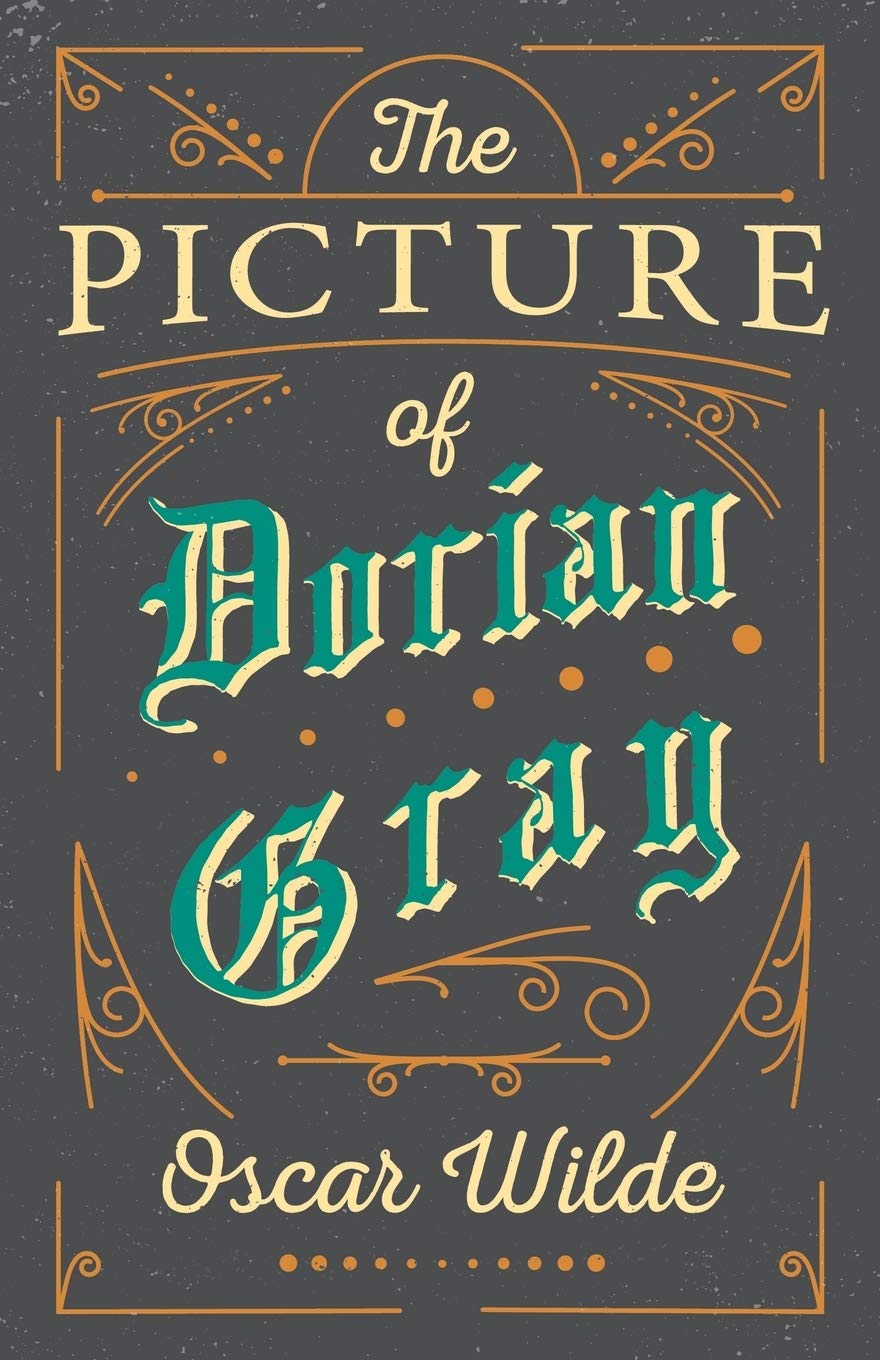
Oscar Wilde’s The Picture of Dorian Gray is creepy. Dorian Gray, as an innocent and attractive young man, in a fit of passion exclaimed: How sad it is! I shall grow old, and horrible, and dreadful. But this picture will remain always young. It will never be older than this particular day of June. …
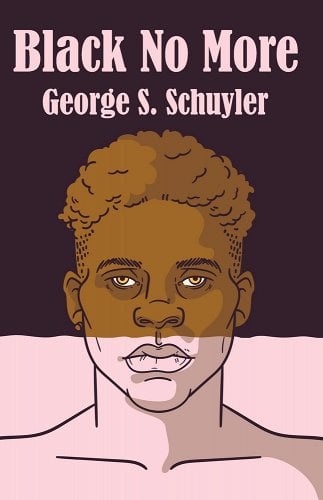
In 1934, an African-American doctor invented a surgical procedure that allowed black people to become white (specially, Nordic) in all respects. Black No More, Incorporated, became a highly profitable business, and the people of world were forever changed. Such is the premise of George S. Schuyler’s Black No More. It caught my eye because of
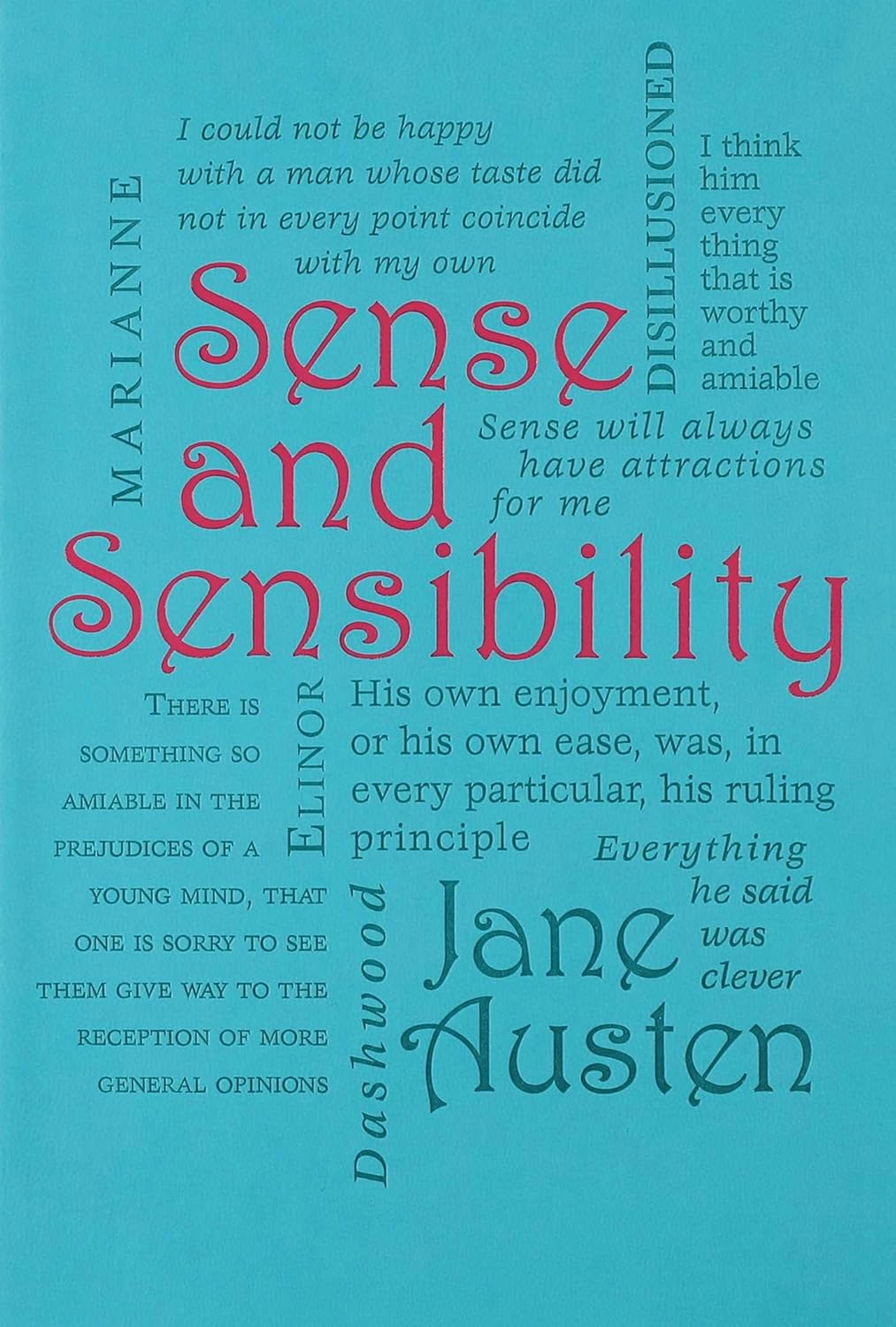
At first, I didn’t love Sense and Sensibility. The characters felt like flat stereotypes. The elder sister, Elinor Dashwood, was full of sense and Marianne (and her mother) was flighty and emotional (the “sensibility” of the title). These two acted in the extremes of their stereotypes, and I didn’t feel drawn in to the story.

I guess my good streak of wonderful reads had to end. I did not love reading Churchill’s History of the English-Speaking Peoples, although I don’t know whose fault that is: Churchill’s or the abridger’s. I do know I’m glad I didn’t attempt the 2000+ page version; 470 pages of Churchill’s assessment of military strategies and
Page [tcb_pagination_current_page] of [tcb_pagination_total_pages]