

The world lost a legend when we lost Tomie dePaola recently. The Cloud Book that he wrote and illustrated (Holiday House, 1975). is a one-of-a-kind, semi-comprehensive volume about clouds for early elementary children. It is written in the second person, immediately drawing in a young child. First, the book introduces clouds as drops of water

Clouds by Anne Rockwell, illustrated by Frane Lessac (HarperCollins, 2008, Let’s-Read-and-Find-Out Stage 1) provides a gentle introduction to clouds, with a nice tone that brings the reader into the text, encouraging observation of the worlds around us. As Rockwell provides explanations about types of clouds, the illustrator, Lessac, provides the same clouds image of where
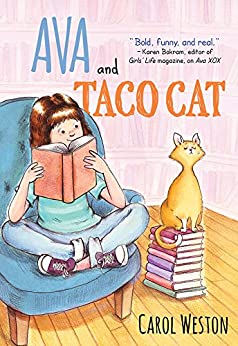
I read the first book in the Ava and Pip trilogy many years ago, when my kids were very young. Now that My daughter is 10 years old, I felt like it was time I revisit it, especially since there are two other books in the series that were not around when I reviewed the
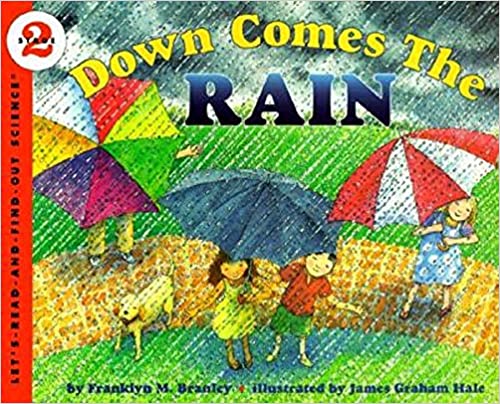
As with many of the Let’s-Read-and-Find-Out series books, Franklyn M. Branley’s Down Comes the Rain, illustrated by James Graham Hale (Let’s-Read-and-Find-Out Stage 2, Harper Collins, 1963/1997), interests the child reader by giving examples of simple things for children to do and try throughout. For example, it suggests activities such as dipping one’s fingers in water,

Did a Dinosaur Drink This Water? by Robert D. Wells (Albert Whitman & Company, 2006) discusses water in all of its forms, connecting the water dinosaurs drank to the water that brings us nutrients. Using the need for water for everything on Earth (from plants to animals to ourselves), he captures the essence of the
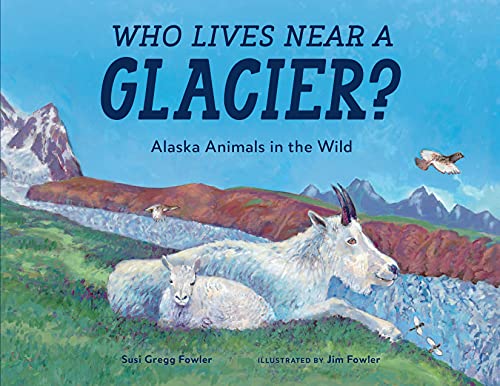
I did not know the large variety of living things that live in the Alaska tundra near glaciers until I read Who Lives Near a Glacier?: Alaska Animals in the Wild by Susi Gregg Fowler (Little Bigfoot, 2022). Gorgeous up-close paintings and child-friendly poetry capture this animal variety, from dragonflies to seals to ice worms.

The first line of All the Water in the World by George Ella Lyon and Katherine Tillotson (Atheneum for Young Readers, 2011) is so classic I find myself thinking about it, long after I finish reading this early introduction to the water cycle: “All the water in the world is all the water in the
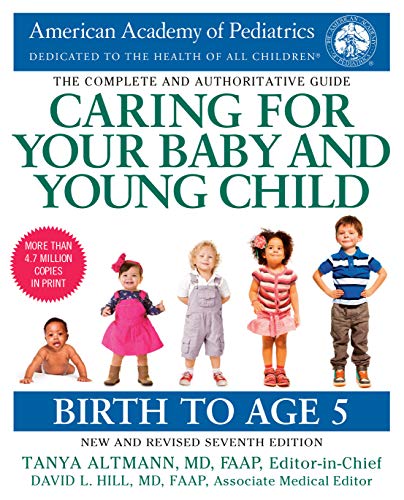
It was a sad day for me when I passed on my favorite parenting book. Caring for Your Baby and Young Child: Birth to Age Five by The American Academy of Pediatrics is a great book for any parents of little ones because it provides so much great care advice. But, I no longer have
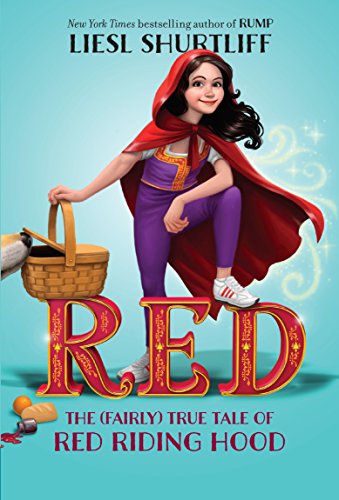
I love retellings of traditional stories because I can often recognize familiar characters and storylines, but sometimes these stereotypes from our childhood are drastically turned on their heads. This is the case in Red: The (Fairly) True Tale of Red Riding Hood, by Liesl Shurtliff (Yearling, 2017). While we think we know the story of

My daughter studied Medieval and early modern history recently, and then last year my kindergartner and I studied places around the world. I so enjoy finding amazing picture books about the things we’re learning about, so I really enjoyed finding the historical fiction picture book Therese Makes a Tapestry by Alexandra S.D. Hinrichs, illustrated by
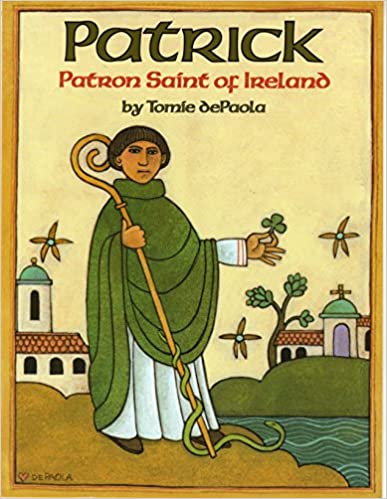
I love the unique style of Tomie dePaola, and I was so sad to hear that this iconic children’s illustrator passed away this year. I read Patrick: Patron Saint of Ireland by Tomie dePaola (Holiday House, 1992) two years when my daughter and I were learning Medieval history. In this biographic picture book, dePaola writes

This Raindrop Has a Billion Stories to Tell by Linda Ragsdale, illustrated by Srimalie Bassani (Flowerpot Press, 2020). As the title indicates, This Raindrop covers the maybes of a raindrop’s history. The text and illustrations capture just a part of this raindrop’s range, including the fur of a mammoth to the end of a paddle.
Page [tcb_pagination_current_page] of [tcb_pagination_total_pages]