

Sleepwalking Land by Mia Couto1 blends two stories of seeking one’s identity in the midst of war-torn Mozambique. In the first, an old man and a young orphaned boy have fled a refugee camp and seek shelter in a burned-out bus on the side of the road. Near a corpse, they find a set of

Show and Tell by Dilys Evans (Chronicle Books, 2008) carries the subtitle “Exploring the fine art of children’s book illustration,” and that is what it is: a full-color coffee table style book that highlights a few of the best children’s book illustrators by examining what makes their art “fine art.” Because I love reading picture

I really love to sink in to a deep, many-hundred-page biography about a fascinating person, but I don’t always have time to do so. Jane Smiley’s biography of Charles Dickens (a part of the Penguin Lives series) is the opposite of a deep biography: it’s a succinct but relevant overview of Dickens’ life by looking

I wish I could finish off my series of posts on Henry VI with as much enthusiasm as I had for the second play, but 3 Henry VI (written 1595) was simply not as enjoyable as 2 Henry VI was. In the first place, 3 Henry VI is simply violent from the first scene, when

In honor of my 31st birthday on Sunday, I thought I’d find a Persephone book with a title that made me laugh: It’s Hard to be Hip Over Thirty and Other Tragedies of Married Life by Judith Viorst. Being in the USA, however, I only found the non-Persephone edition, the original 1968 publication of Viorst’s

Although a slim volume, Shakespeare and his Contemporaries by Charles Nicholl (published by the British National Portrait Gallery 2005) accomplishes it’s purpose. As the title indicates, the volume illustrates the various persons, distinguished and not, that Shakespeare was familiar with during the years of his life. Some of these people were associates of the Bard:
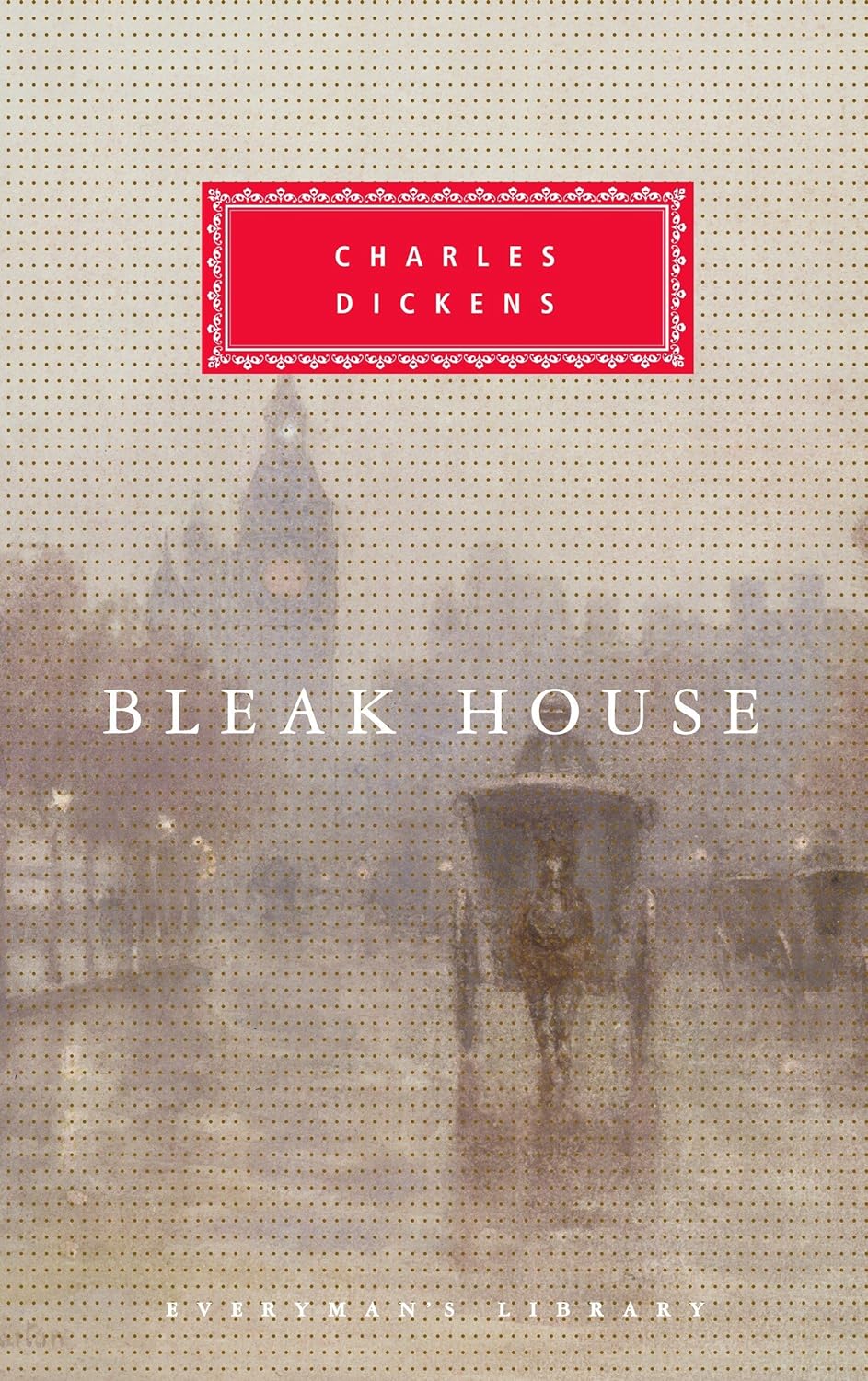
Bleak House (published serially 1852-1853) is a sweeping saga of epic proportions. Charles Dickens obviously planned the plot carefully, especially by providing an introduction and characters for the bulk of the first third of the novel, so that the last third of the novel would swiftly move to a satisfying conclusion that ties all the

Bring On the Birds by Susan Stockdale (Peachtree, 2011) is a sparsely worded picture book for the youngest of readers, this time showing a variety of birds in their natural habitats. A distinctive characteristic is noted for each bird, from the “swooping” owls to the “birds with tails held high” (the Indian peafowl or peacock, which was

Thunder Birds: Nature’s Flying Predators by Jim Arnosky (Sterling, 2011) is simply a masterpiece of a picture book for the older child. With gorgeous fold-out illustrations done in acrylic paints, pencil, and chalk, Arnosky brings to life the majestic predatory birds of America, from Bald Eagles and vultures to pelicans and herons. His text also does justice

Can We Save the Tiger? by Martin Jenkins, illustrated by Vicky White (Candlewick, 2011), tells the story of a number of extinct, nearly extinct, or once nearly extinct animals in a conversational yet imperative tone. Mr. Jenkins’s tone makes the book both approachable and a cry for action, and Ms. White’s detailed illustrations are jaw-dropping realistic, thus

The Case of the Vanishing Golden Frogs: A Scientific Mystery by Sandra Markle (Millbrook Press, 2011) is about a very specific subject: the golden frogs are dying in the rainforests of Panama. In an engaging way, Ms. Markle manages to bring us into the mystery so that we care about these little frogs and hope for a

As the title and the cartoonish digitally rendered illustrations may suggest, I Feel Better with a Frog in My Throat: History’s Strangest Cures by Carlyn Beccia (Houghton Mifflin, 2010) is a rather silly book. By providing quizzes along the lines of “which remedy will help you feel better?” Ms. Beccia manages to surprise the reader
Page [tcb_pagination_current_page] of [tcb_pagination_total_pages]