As I think everyone knows, The Two Towers by J.R.R. Tolkein continues where The Fellowship of the Ring left off. The Two Towers is split in two halves, with the first part focusing on the remaining members of the broken fellowship and the second half focusing on Frodo and Sam’s journey. While I had found

Read Post

I love the sweeping grandeur of John Steinbeck’s East of Eden. The characters built on each other, and I felt I was living through the experiences with them. Steinbeck’s purpose to the novel is found in the subtle and not so subtle conversations and actions of the fleshed-out characters, and in my two reads of

Read Post

In 1948, hundreds of Segenalese railway workers along the main rail line left work in a strike against the French colonist’s repression of the native’s way of life and status as employees of the railway. In God’s Bits of Wood, Sembene Ousmane tells their story. Ousmane’s writing was impressive. Although I’ve never been to Senegal,

Read Post

This first week of May is Persephone Reading Week, which means bloggers around the blogosphere are reading books by the British publisher Persephone. I do not typically search out books based on publisher. Yet, Claire and Verity have such an (I think it’s fair to say) obsession with this publisher that it certainly caught my

Read Post

In The Enchanted April by Elizabeth Von Arnim, an exotic Italian villa becomes a retreat for four lonely London 1920s women in four different stages of life. By allowing herself a vacation, each woman “finds” herself as she needed to do, and the significance of friendship and love in their lives solidifies. It’s a reminder

Read Post

After reading both Crime and Punishment and The Three Musketeers this month, I really needed something quick and easy, engaging, and yet unique to catch my attention and give myself a break from the excellent but long masterworks my mind has been wrestling for the past three or four weeks. The Invention of Morel by

Read Post

“Crime and Punishment,” says Richard Pevear in his introduction, “is a highly unusual mystery novel: the most mystified character in it is the murderer himself.” At first glance, there is no mystery. The answers to “who, what, when, and where” seem self-evident, especially since the murder occurs center stage in the first 80 pages of

Read Post

Duels. Lovers. Mid-night rendezvous. Mistaken identity.  Revenge. There was plenty of adventure in Alexandre Dumas’ The Three Musketeers. But it was the humor that captured my attention and kept me reading. I mentioned the other day that, thanks to Zola’s emphasis on “a point,” I was frustrated by the first bit of Dumas’ book, simply

Read Post

Junichiro Tanizaki’s Naomi is about obsession. Joji, a mediocre businessman, lets his obsession of the mysterious girl Naomi overtake him. Yet, while the novel is full of sensual obsession, it is ultimately about obsession with Western culture, for Naomi is a Western-looking girl that personifies an idealization of the west.

Read Post

In The Masterpiece, Zola captures the pain of creation, as he claimed himself: I want to depict the artists’ struggle with reality, the sheer effort of creation which goes into every work of art, the blood and tears involved in giving one’s flesh, in trying to make something that lives.  (Introduction to Oxford World Classics

Read Post

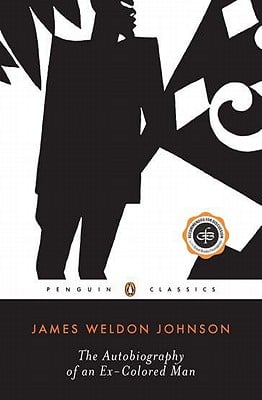
I had to keep reminding myself that The Autobiography of an Ex-Colored Man by James Weldon Johnson was actually a novel. It was realistic, and it was engaging and entertaining at the same time. Even more, it has a place in history alongside true-life narratives as an account of what some African-Americans may have felt

Read Post

My interest in rereading East of Eden by John Steinbeck was purely personal: reading it the first time was what prompted me to start a book blog in the first place. I enjoyed my reread, mostly because Steinbeck’s writing is so incredible. The themes of good versus evil in human nature still felt universal to

Read Post