I was a skeptic. I had heard the hype and still I avoided The Help by Kathryn Stockett. My book club decided to discuss it this month and I grudgingly put a hold for it at the library. The hold came in and I let it sit on my TBR shelf for a week before

Read Post

I was a bit disappointed by Edith Wharton’s Ethan Frome. I’m glad I read it: it gave me a new perspective on Wharton, because it was a different setting, cast of characters, and theme from those I’ve read before. It was wonderfully written, with Wharton’s elaborate and realistic descriptions of the setting and thought processes.

Read Post

During the first two weeks of March, I read three lighter genre classic authors. J.R.R. Tolkien’s Fellowship of the Ring took me to the fantastic Middle Earth, Georgette Heyer’s The Talisman Ring was an amusing foray into romantic historical fiction (albeit an unrealistic one), and Jules Verne’s Twenty Thousand Leagues Under the Sea was an

Read Post

Nobel laureate (1968) Yasunari Kawabata is obviously talented at describing scenes, and there was, in The Old Capital, something refreshing about a slow-paced story of a young woman coming into a realization of herself. In her free time, Chieko would see the cherry blossoms and visit the cedar forests. It was a celebration of the

Read Post

Charles Dickens’ A Tale of Two Cities is full of dark Victorian romance. Muddy roads on a dark night. A secluded house on a corner that echoes footsteps. Cemetaries at night. And, of course, Paris streets that run with wine and then blood because of La Guillotine.  It is a sinister world for the upper

Read Post

Sometimes I just need something light. Something that makes me chuckle. I’ve been reading a lot of old classics (which I love) and nonfiction (which fascinates me). But when I went to start another portion of my painting project, I needed something light and funny. I couldn’t concentrate on serious when I was doing a

Read Post

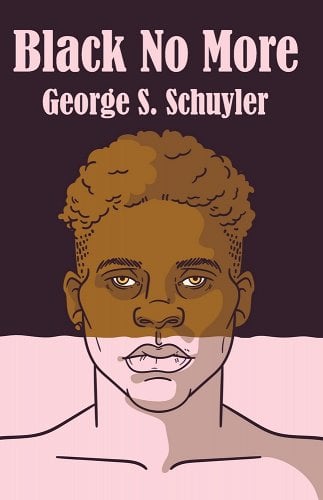
In 1934, an African-American doctor invented a surgical procedure that allowed black people to become white (specially, Nordic) in all respects. Black No More, Incorporated, became a highly profitable business, and the people of world were forever changed. Such is the premise of George S. Schuyler’s Black No More. It caught my eye because of

Read Post

At first, I didn’t love Sense and Sensibility. The characters felt like flat stereotypes. The elder sister, Elinor Dashwood, was full of sense and Marianne (and her mother) was flighty and emotional (the “sensibility” of the title). These two acted in the extremes of their stereotypes, and I didn’t feel drawn in to the story.

Read Post

The introduction to my volume of Zora Neale Hurston’s retelling of the Biblical Exodus calls this a “badly flawed novel” and I’m sure it is. Hurston is basing her novel on a Biblical tale that lacks strong women characters, and she’s trying to make it feel modern. The introduction also criticizes the stereotyped way in

Read Post

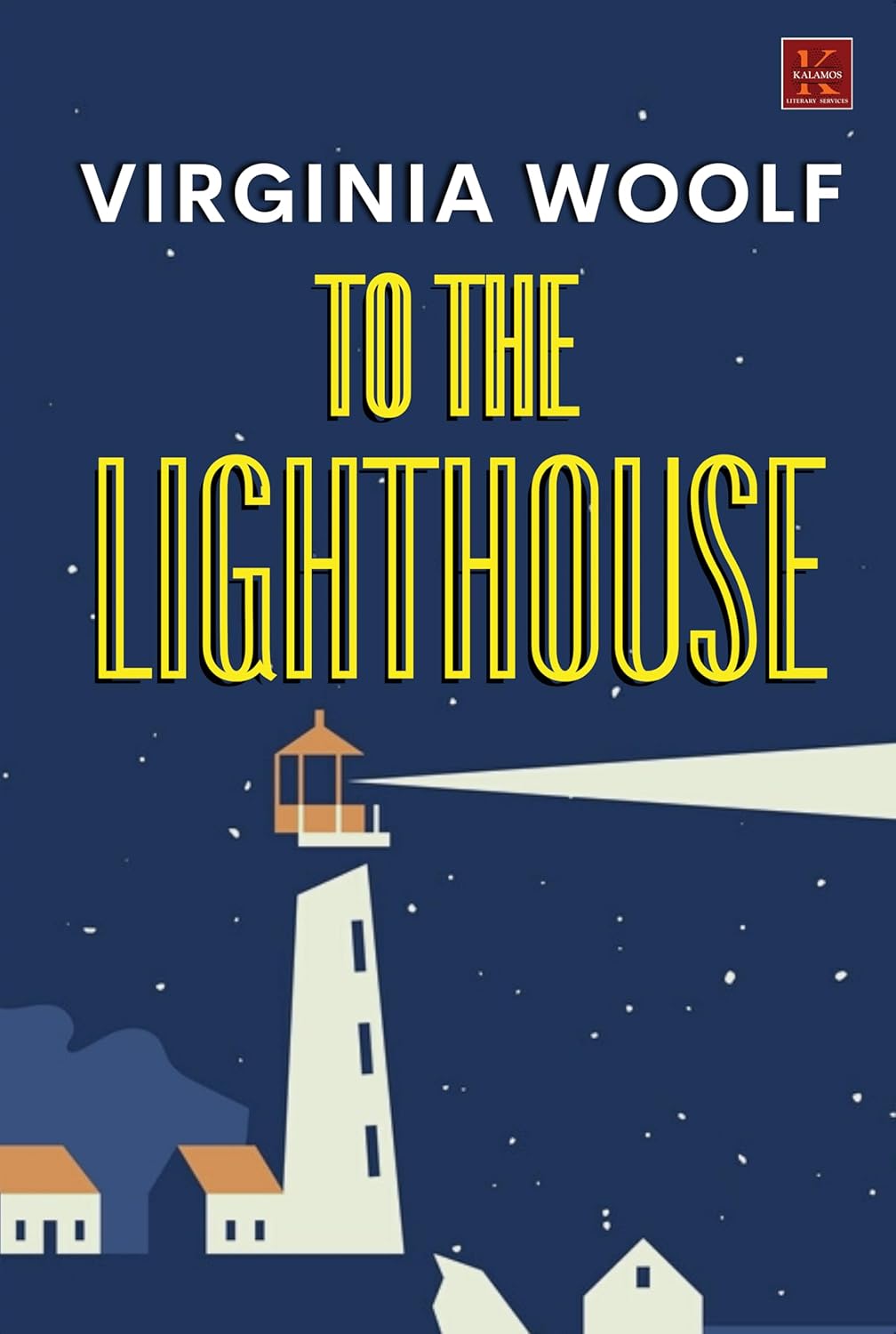
Although To the Lighthouse is told in a similar stream-of-consciousness manner as was Mrs. Dalloway (reviewed two weeks ago), it struck me as different, and I’m not sure why. Was there more plot? Maybe. Was it the setting (the Hebrides versus London)? Maybe. I do know that as I read, I was less emotionally drawn

Read Post

Because of my positive experience reading Sei Shonagon’s The Pillow Book, I thought I’d try some more Japanese literature. Amanda wrote a positive review of The Housekeeper and the Professor by Yoko Ogawa and I noticed that this was the selected book for the Japanese Literature Book Group run by tanabata at In Spring it

Read Post