
One winter night, a four-year-old Indian child stumbles into the Pikuni camp in the snow. Only the old lonely woman called Granny takes him in to care for him and raise from babyhood, for he is deaf and dumb, and no one else wants to be bothered with the strange child. Thus begins the life of Queer Person, a “strange” or “odd” boy. He is able to do much but is still labeled idiot by most in the camp because he is unable to hear. How can he become a chief if he is looked down on?
Queer Person by Ralph Hubbard (published 1930) was named a Newbery Honor book in 1931 because of its contributions to children’s literature for the year. Although there are some compelling plot points (twists!) and generally okay writing, I can’t recommend this book to any readers today.
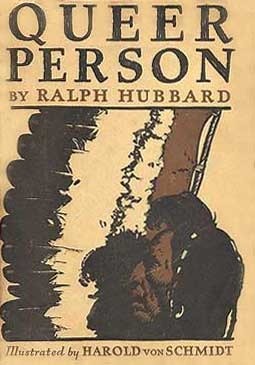
Given its age, it should not be surprising when I say that Queer Person is racist in its portrayals and the language it uses to describe Native Americans. The author Ralph Hubbard was an ethnologist, or a person who has studied specific cultures, in his case Native American traditions and cultures. Nevertheless, he was still an outsider, writing about the culture as if it were a foreign thing. It doesn’t even feel like he tried to treat the Pikuni and Crow cultures with respect. They are foreign, and in the novel, Hubbard still refers to all the natives as “savages.”
Take this example from the text when he’s worried that children from the enemy will find his hiding spot:
“To kill the children of a hereditary enemy was a matter of comparatively small importance among his people, but he himself was not trained in matters of blood. He was a savage, but could have been more so. He was there to seek and save a child if possible, but to kill other children in order to accomplish his special end was a matter of abhorrence” (page 255).
The fact that Hubbard believes it would be a matter of little importance to warriors is rather abhorrent to me. I can’t believe that the different warrior tribes would feel that way. I don’t think war was a game to them. This is not a book any Native American should read and I don’t think anyone else should either
My answer to “Should I read Queer Person?” is no way. Find something else.
