

At first, I thought Teaching Kids to Think by Darlene Sweetland and Ron Stolberg (Sourcebooks, March 2015) had a deceptive title. I had thought it would be about helping kids learn and logic through academics. Rather, Teaching Kids to Think is focused on helping parents raise children that think through the basics of everyday survival and life, emphasizing
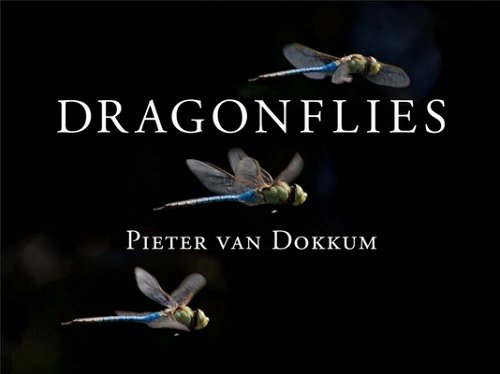
Dragonfiles by Pieter van Dokkum (Yale University Press, March 2015) is a gorgeous coffee table book about dragonflies. I admit, that, since I am not a scientific person, I wondered about this book. I have never once thought about dragonflies nor wondered how they develop, live, and eat. However, the gorgeous image on the cover
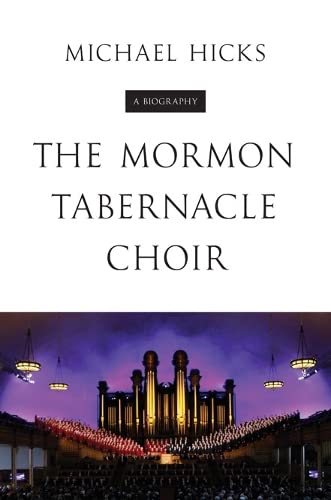
The Mormon Tabernacle Choir by Michael Hicks (University of Illinois Press, March 2015) is a biography of the choir itself. As a member of The Church of Jesus Christ of Latter-day Saints, I’ve grown up with the choir: songs during the biannual general conferences, recordings in my home. Because of my background, I was interested
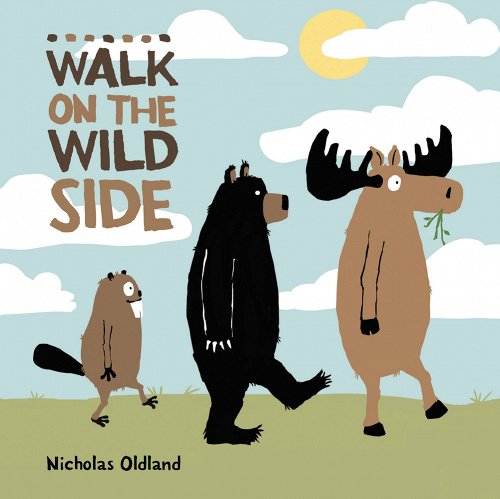
Walk on the Wild Side by Nicholas Oldland (Kids Can Press, 2014) is a delightful story about three friends (a bear, a moose, and a beaver) who love to have adventures together. The cartoon illustrations show the humor of these particular friends hiking together, but ultimately the message of “enjoying the journey” is a memorable

School Days Around the World by Margriet Ruur and illustrated by Alice Feagan (Kids Can Press, 2015) captures Malala’s vision in the epigram at the beginning: “I don’t mind if I have to sit on the floor at school. All I want is education.” In the cut-paper collage illustrations, the stories of real children around the
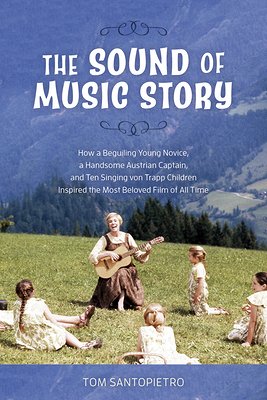
The Sound of Music Story by Tom Santopietro (St. Martin’s Press, 2015) is a celebration and explanation of how a story about a “beguiling” novice becoming the stepmother to singing children became (or inspired), as the book claims “the most beloved film of all time.” It takes a true fan of The Sound of Music
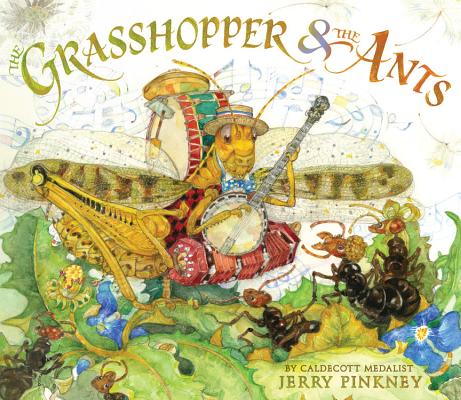
In his note following his picture book, The Grasshopper and the Ants (Little, Brown and Company 2015), Caldecott Medalist Jerry Pinkney says the picture book is intended to be an “homage to nature.” The rich details of the summer and autumn turning in to winter certainly provide an appropriate homage. As with his richly illustrated
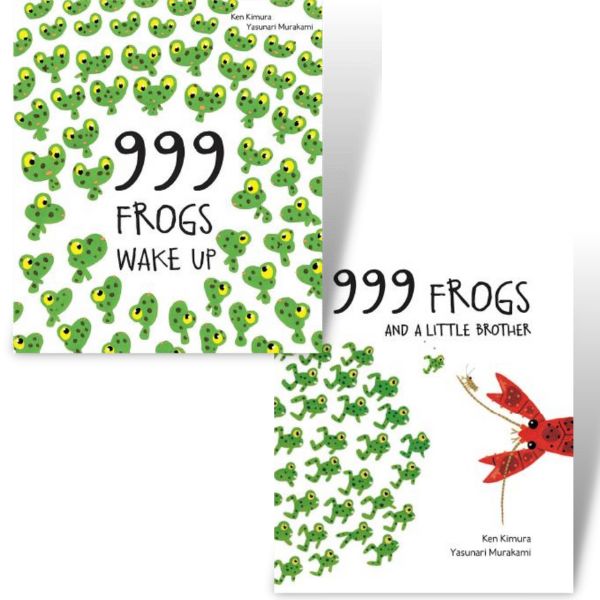
My son and I enjoyed 999 Tadpoles by Ken Kimura dn Yasunari Murakami (May 2011) when we read it years ago, so I was excited to see the two sequels to it in our local library. 999 Frogs Wake Up (North South, 2013) is a fitting read for the beginning of spring. As the frogs
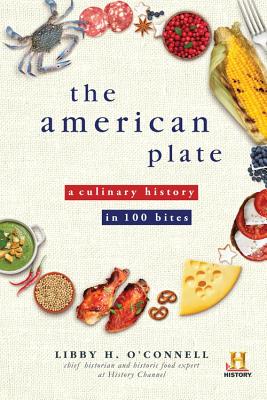
The American Plate by Libby O’Connell (Sourcebooks, December 2014) captures the essence of American cooking throughout by highlighting dishes that were essential or popular throughout history. It is truly American history meets foodie, and I love the end result. Beginning with the “Three Sisters” (Maize, beans, and squash), Ms O’Connell then explores the other sometimes unique

Secrets of the Apple Tree by Carron Brown and Alyssa Nasser. Secrets explore the various habitats for animals around an apple tree, from the birds in the nest and the worms in the ground, to the squirrels in the hollow space and the fungi growing on a fallen branch. As an educational book, it provides plenty

I read How We Learn by Benedict Carey (Random House, September 2014) at much the same time as I read Born Reading, so I found the correlation between the two quite interesting. Both books were written for very different and unique reasons and for different audiences. But, since I’m a homeschooling mom, I found that
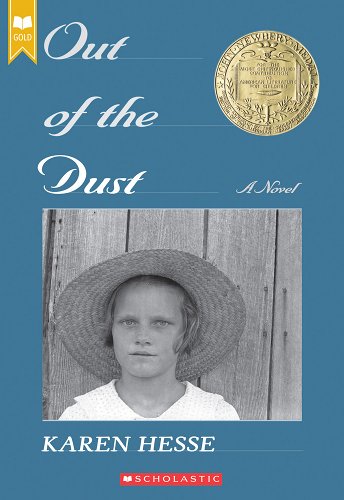
Out of the Dust by Karen Hesse (1998 Newbery Medal Winner) is a young adult novel in poetry about the difficulties of dust bowl living in the 1930s. A changing industry, magnified by severe drought and the Great Depression, meant that farming in rural Oklahoma was more difficult than ever. But Billie’s difficulties are compounded.
Page [tcb_pagination_current_page] of [tcb_pagination_total_pages]