

I’ve mentioned before that my daughter loves babies. She sure does! Cuddle and Move by Elizabeth Verdick (Free Spirit Publishing, 2013) were perfect. In sweet black and white pictures and few words, each book followed the life of babies and toddlers through regular actions: climbing, cuddling, kissing. We read both books via netgalley digital reviews,

I am still at the very beginning of Irving Stone’s novelization of John and Abigail Adam’s story, but I feel I must touch base and let you know about it. Reading a novel about the era has brought the issues to life. Right now in the novel, John and Abigail have been married for just

One series I’ve been reading over the past two months are books from the Childhood of Famous Americans series. I found them to be a mixed series. Some of the books are fabulous, while others are a slog. For the most part, each book in the Childhood of Famous Americans series has 15 chapters. The

Penguin wonders how he can contribute to the community talent show in Penguin’s Hidden Talent by Alex Latimer (Peachtree, 2012). Predictably, he finds he does have a talent, and his friends greatly appreciate it in the end. Although Penguin’s Hidden Talent follows a predictable format, it is still a heartwarming book about finding your place in a community as
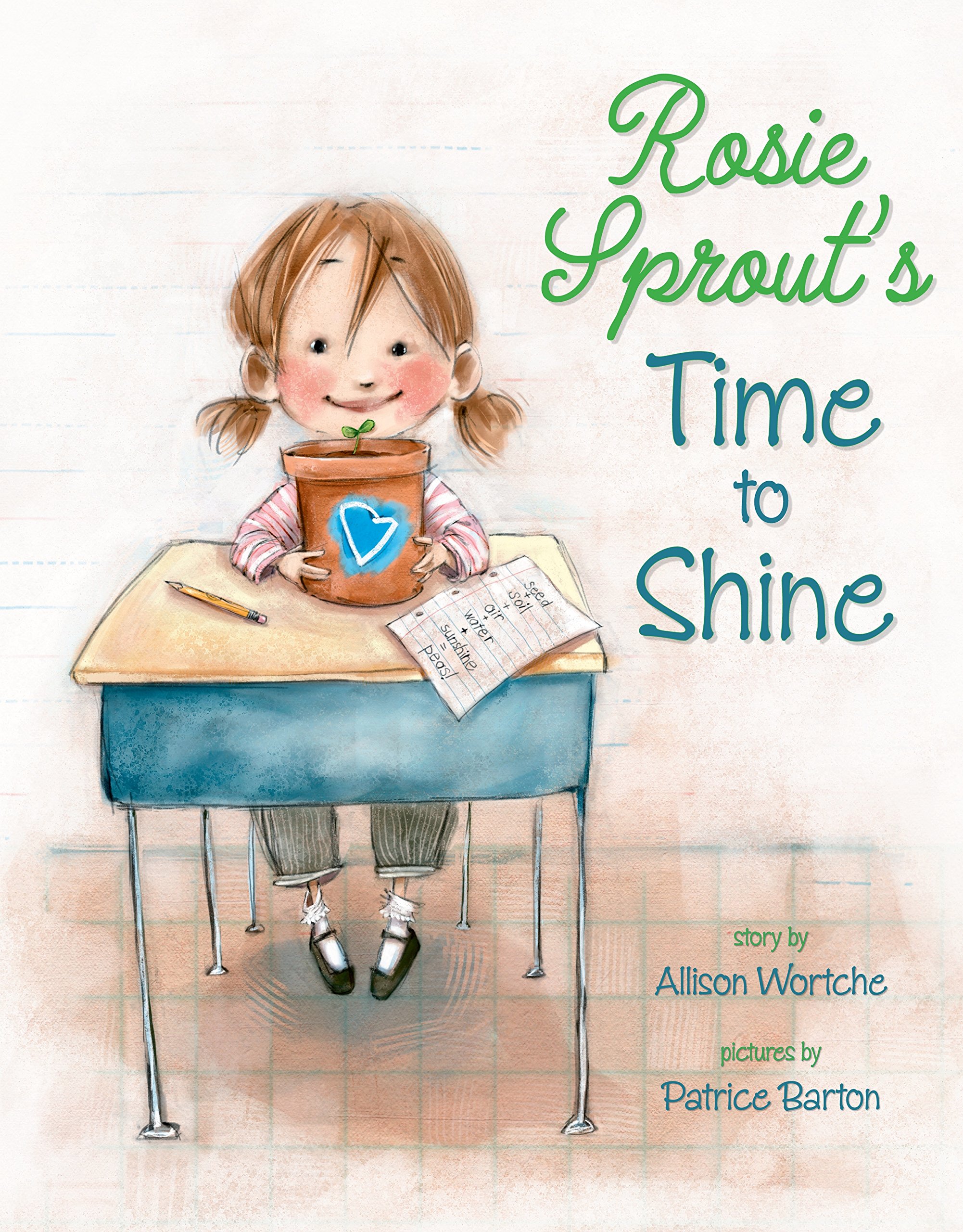
Rosie Sprout’s Time to Shine by Allison Wortche and pictures by Patrice Barton (Knopf, 2011) is a book about selflessness and overcoming jealousy. Rosie is tired of being overshadowed in her class by Violet, whom everyone believes is the Best in everything she does. When it comes time to begin the class unit on growing a

Because Amelia Smiled by David Ezra Stein (Candlewick, 2012) is a circular book to emphasize our individual and unseen influence on others. When Amelia smiles, Mrs. Higgins smiles too and makes cookies for her son in Mexico. When he eats the cookies, he teaches his class a song about cookies and his student makes a decision.

Crafty Chloe by KellyDiPucchio and illustrated by Heather Ross (Atheneum, 2012) is a sparkly book for the creative child, and yet my not-crafty five-year-old son enjoyed it too. Chloe is not good at sports or dancing or video games like some of her friends, but she is good at making things. When her friend has
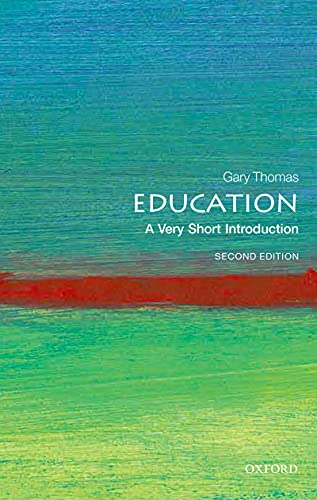
I feel like I should title this post “Yes, I actually read an adult nonfiction book once again,” since I’ve been neglecting not only my personal reading but also my nonfiction. Lately, I’ve been reading picture books, biographies of American historical figures geared toward youth, and other such interesting, but not mind-boggling reading. Education by

Figuring Out Fossils by Sally M. Walker (Lerner Publishing, 2013) caught my eye because (1) I love Sally Walker and (2) I read a book by Ms Walker about fossils last year, a part of the Early Bird Science series. To my delight and surprise, this was the same book I read last year, repackaged with more

Dolphin, Fox, Hippo, Ox by Brian Cleary (Lerner Publishing, 2012) and other books in the Words are CATegorical. These books are clever. Using fun rhymes, they teach about concepts that children are still learning about: parts of speech, mathematical concepts, or, in this case, animal groups. Dolphin et al is about mammals. I liked this book enough

The Sound and the Fury by William Faulkner (1929). Some books are nearly impossible to explain in words, and The Sound and the Fury is one of them. You must experience it. It is narrated by three siblings in three different years in the early 1900s, one of whom is a mentally challenged man, Benjy, who has no

Thomas Jefferson: The Art of Power by John Meacham (Random House, 2012). This fantastic look at Thomas Jefferson was a nice complement to the biography of John Adams I read a few years ago (by David McCullough). I find those two founding fathers absolutely fascinating. I was very interested in Thomas Jefferson. He was a private
Page [tcb_pagination_current_page] of [tcb_pagination_total_pages]