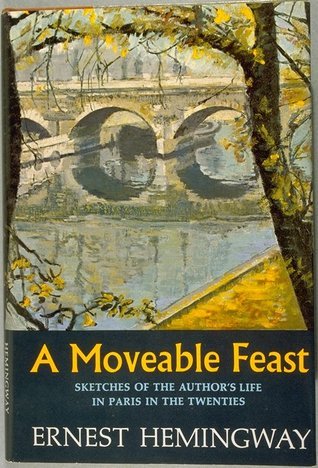
In the introduction to A Moveable Feast (published 1964), his memoir of the years between the wars during which he lived in Paris, Ernest Hemingway writes: If the reader prefers, this book may be regarded as fiction. But there is always the chance that such a book of fiction may throw some light on what has

Read Post

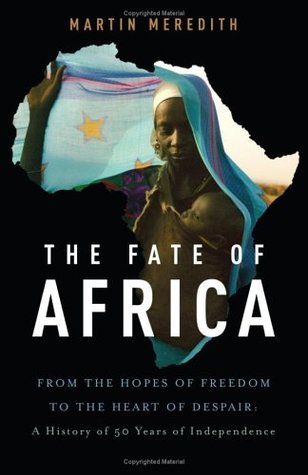
At nearly 800 pages, The Fate of Africa by Martin Meredith is overwhelming in scope. Subtitled A History of Fifty Years of Independence, the book attempts to capture the histories of all the countries on the African continent. Yet, such an ambitious subject cannot adequately be captured in less than 800 pages: each country has

Read Post

Brigham Young: American Moses (by Leonard Arrington, first published in 1985) captures the unusual personality and able leadership of the controversial second president of The Church of Jesus Christ of Latter-day Saints (the Mormon church). Although I did not find Mr. Arrington’s text to be fascinating, the stories about Brigham Young were noteworthy, and I

Read Post

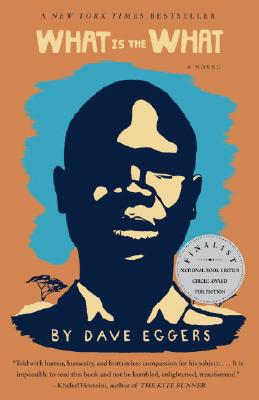
According to the tradition of the Dinka, the people who live in southern Sudan, after God created the world and the first man (a Dinka), he gave the first man a choice. “You can have either these cattle, as my gift to you, or you can have the What,” he said. The Dinka chose the

Read Post

A fellow blogger asked recently for a book that might give a general introduction to Mormonism, and I’m pleased to suggest the Oxford University Press Very Short Introduction on the subject (Mormonism by Richard Bushman, published in 2008). Colombia professor of History (emeritus) Richard Bushman does a wonderful job of introducing and blending the doctrinal

Read Post

Victorian London was smelly, and that is where Ms Picard begins her nonfiction summation of the city from 1840-1870 (Victorian London by Liza Picard, published 2005). From her detailed descriptions of the polluted Thames to the horrors of being a “maid of all work” to the entertainments of the great capital, the city of London

Read Post

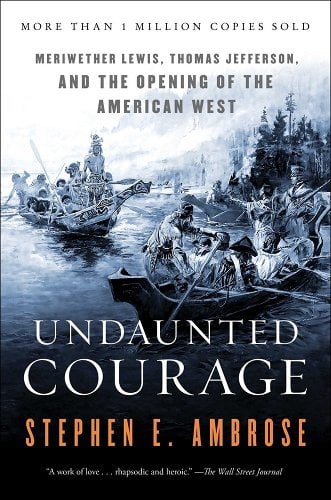
From my limited perspective (that is, having read Undaunted Courage), the life of Meriwether Lewis was tragedy. He was a very good leader in the midst of an unknown wilderness, yet the results of his expedition were little because of his subsequent drunkenness and ineptitude at producing his results, governing, and otherwise assimilating back in

Read Post