

James Michener is known for his very long (1000+ pages) historical fiction novels that are sweeping epics over generations. The Source (published 1965) is one such book. It follows the story of a specific hill in the Holy Land (Palestine/Israel) from antiquity to “modern” (1960s) times while archeologists are performing a dig to learn more about the people who had lived in that now-extinct city of Makor. Michener manages to make both the dig at the tell realistic as well as the historical events.
As a book published in a previous generation, the novel does have dated stereotypes about women, and the relationship between Jews and Arabs in the land could be considered dated as well. Unfortunately, the relationship between the two peoples, especially in relation to the government of the State of Israel, is not as positive today as the people in this book felt it would be. They looked forward to their new nation with hope, not with skepticism. Today’s Israel is very different from the ideal as discussed in this book.
The novel begins with the team gathering at the tell for the dig. In this lengthy section, the artifacts are identified one at a time as they are unburied. (Conveniently, of course, there is an artifact discovered for each era in time in which the book will now discuss.) We learn about the participants in the dig, including their relationships to each other. The novel returns to these characters in the modern day throughout the novel.
Then, the book explains the discovered artifacts in the historical context in which they were left, by giving the stories from the various eras. For example, the first is about cave dwelling people who discuss and discover a means of farming close to the water for a more consistent food supply. Subsequent generations address the development of a concept of God, including societies that value sex as a way to honor their god/gods. Decedents of the Hebrew people and the concept of divine intervention and worship evolve throughout the various generations, leading to contention against the religious and the non-religious in the town of Makor. From there, we learn about the Roman occupation of the area (with little mention of Jesus, since this area is far removed from both Jerusalem and Galilee). The era of the Rabbis, the violent Islamic conquest, and the conflicts between Jews and Arabs provide more recent details about the contention of the land. Our tell even provides evidence of the Arab-Israeli war.
As suggested, the book details sexual worship in some sections and the book is quite violent in other places as the city of Makor is defeated and semi-destroyed time and again. These sections are not pleasant to read. Yet, throughout the generations, the people are connected, and even into the modern day, events come full circle through the difficult stories of events that happened on the tell Makor.
I read this book two months ago. I learned a bit, although some reviews suggest that the ancient rituals were a stereotyped and inaccurate portrayal of a more richly nuanced ancient society. I won’t read it again, but it was a fascinating novel in showing how generations of time are connected.
The Problem of Covers
The people who design covers should do a few things before making a cover. First, read the book. Second, they should consider what the over-arching theme is. There are a lot of fails in cover design for The Source.
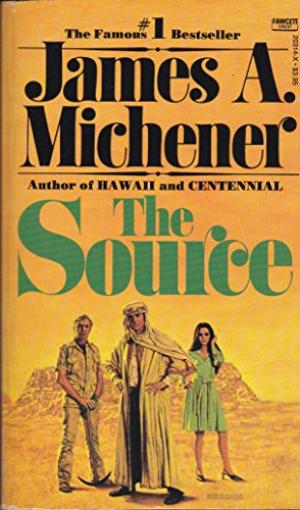
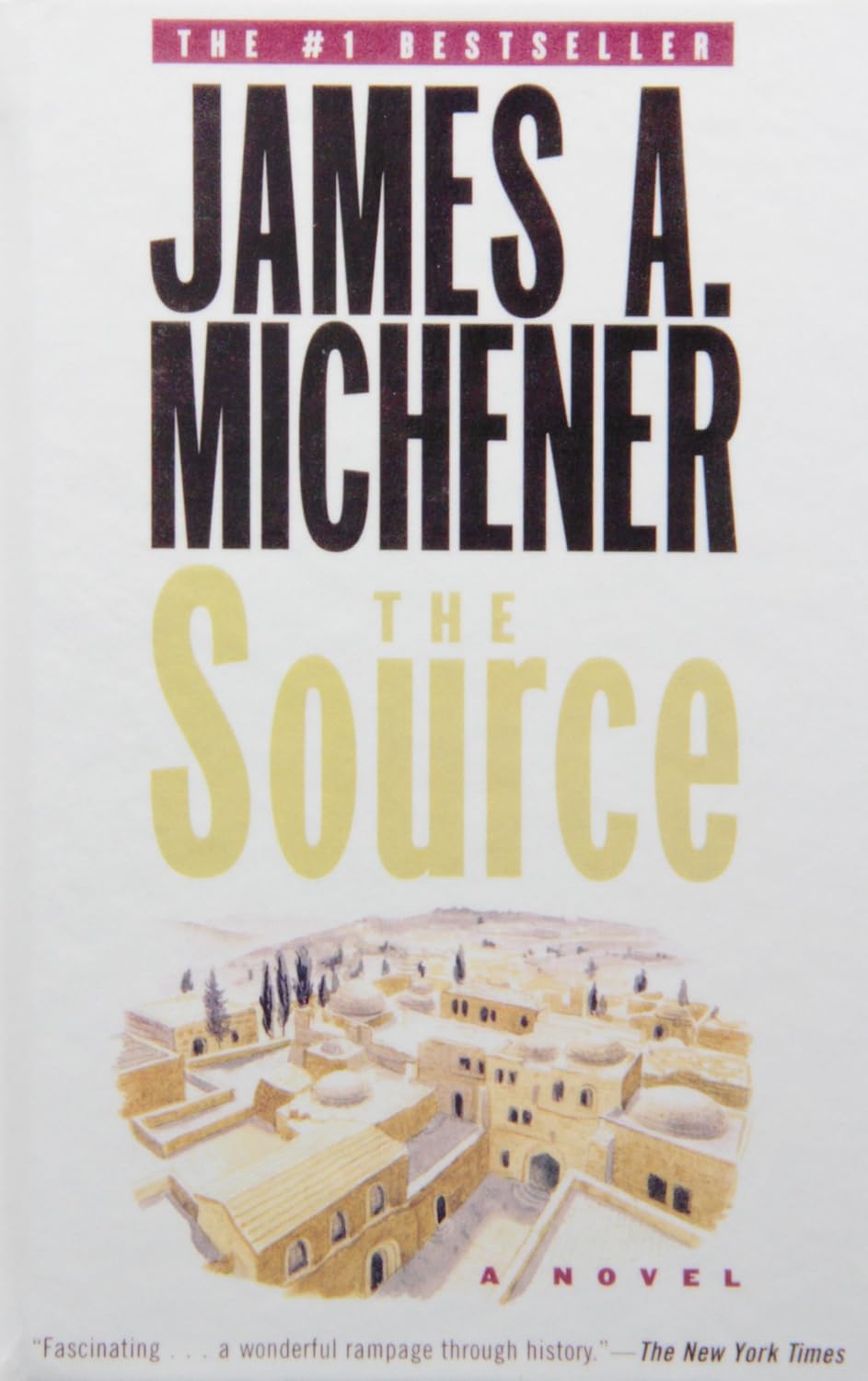
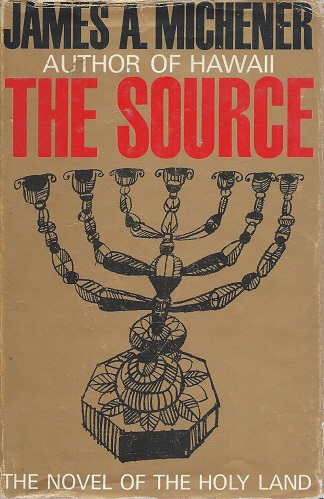
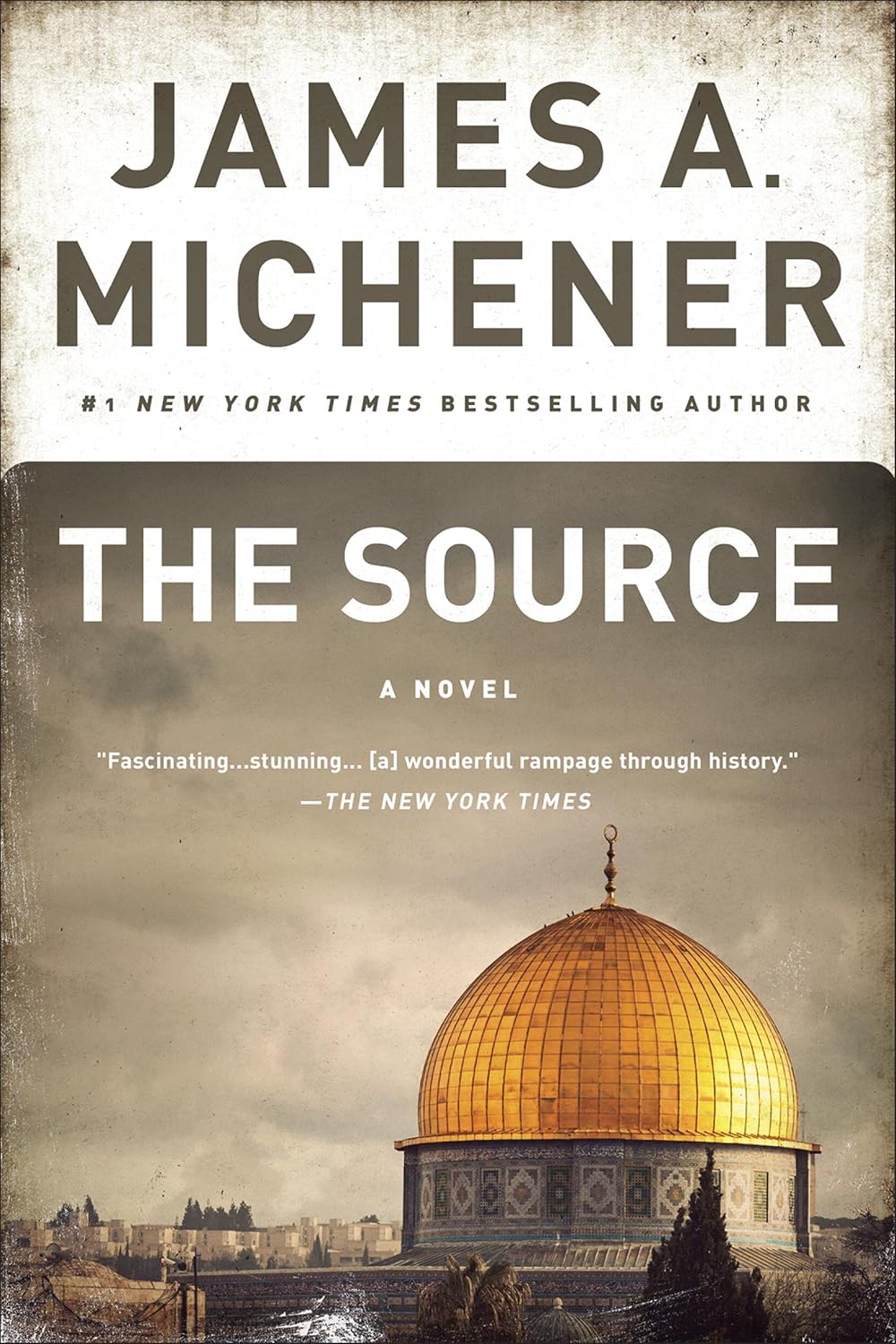
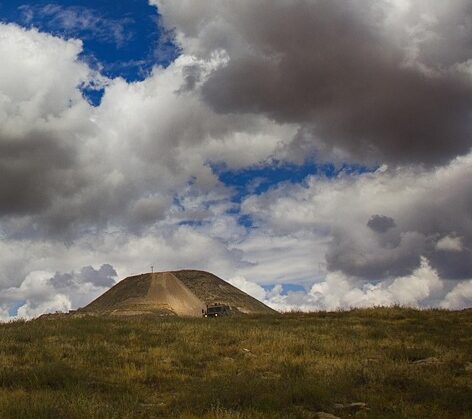
Here is an image of an actual tell.
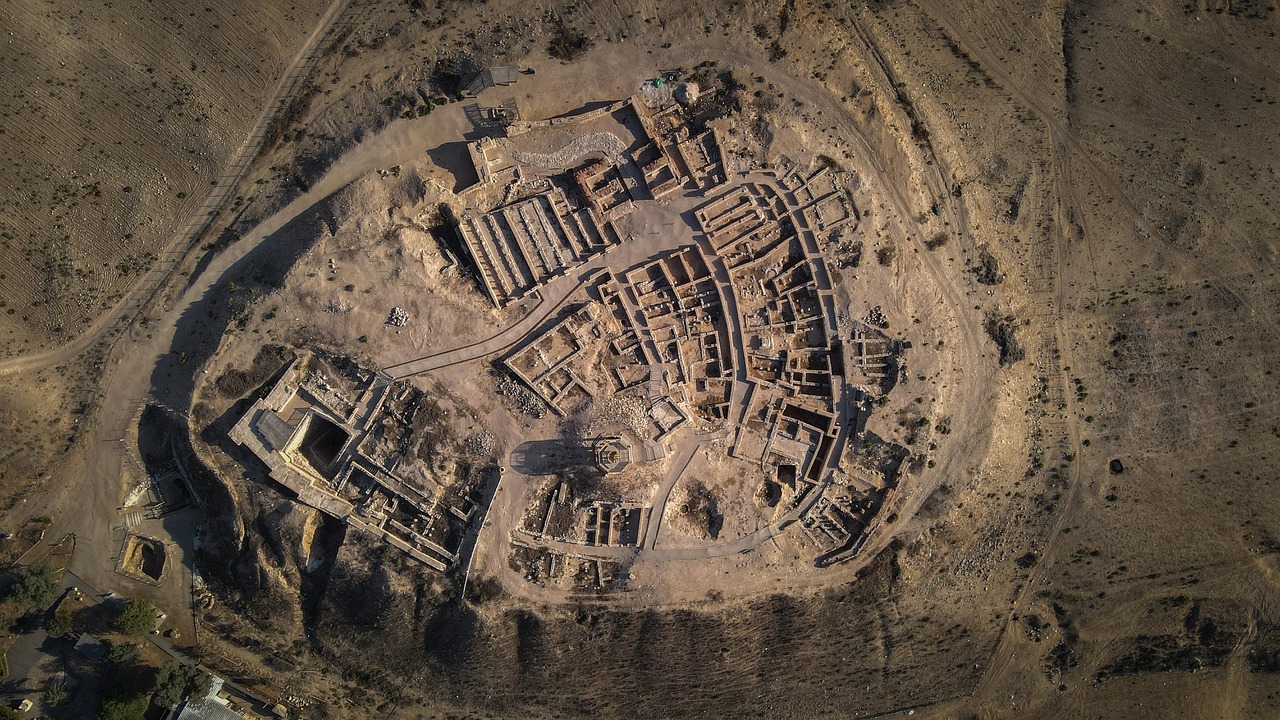
This is not Makor, but at least it is an archeological mound, after excavation.
